
Wind & Tornado Insurance Claims
Wind & Tornado Public Adjusting for Storm Damage Claims
If severe wind or tornado damage hit your property, hiring Disaster Adjusting can help you build a stronger insurance claim from the beginning. Wind losses often involve more than a few missing shingles or a fallen fence panel. A major storm can damage roofing systems, siding, windows, mechanical equipment, exterior structures, and interior areas exposed by water intrusion. Disaster Adjusting provides wind and tornado public adjusting services for homeowners and commercial property owners who need experienced claim support after a windstorm, tornado, or straight-line wind event.
A wind damage public adjuster works for you, not the insurance company. That matters when the claim includes structural concerns, hidden wind damage, conflicting repair recommendations, or an estimate that does not reflect the full scope of loss. Disaster Adjusting helps inspect the property, review the insurance policy, document visible and hidden damage, organize the claim, and work toward a settlement that reflects what the property actually needs to be repaired properly.
This service is for:
– Homeowners with residential wind damage claims
– Commercial property owners with storm wind damage
– Property owners facing tornado damage insurance claim issues
– Owners of apartments, HOAs, mixed-use properties, and multi-building sites
– Policyholders with roof wind damage insurance questions
– Anyone who needs wind damage claim help after severe weather
Common problems we help solve include:
– Missing shingles insurance disputes
– Wind damaged siding that was only partially documented
– Tree and debris impact that caused broader structural issues
– Window damage, fence damage, and exterior component losses
– Hidden wind damage that appears after the first inspection
– Low estimates, incomplete scopes of loss, and delayed supplemental claims
– Confusing carrier communication during a fast-moving storm claim
Why choose Disaster Adjusting? We bring residential and commercial claim experience, policy knowledge, detailed documentation, and more than 40 years of combined insurance experience to the process. Disaster Adjusting states that it works for policyholders, not the insurance company, and helps prepare, estimate, document, and negotiate property claims involving storm and wind losses.
If you need a public adjuster for wind damage or tornado insurance claims, call Disaster Adjusting at (888) 675-0911. Contact us today to request a claim review and find out what your wind damage property claim should really include.
What Does a Public Adjuster Do During a Wind or Tornado Damage Claim?
A public adjuster helps the policyholder prepare, document, and pursue the wind damage insurance claim with a focus on the actual condition of the property and the coverage available under the policy. After a windstorm or tornado, many owners are dealing with emergency repairs, roof openings, tree impact, water intrusion, contractor opinions, and insurance deadlines all at once. Disaster Adjusting steps in to help manage that process from the policyholder’s side.
During a wind or tornado damage claim, our role may include:
– Reviewing the insurance policy
We review coverages, exclusions, deductibles, endorsements, timelines, and conditions that may affect roof wind damage insurance, structural damage, personal property exposure, business interruption, and related storm losses.
– Inspecting the property
Wind damage can affect the roof, siding, windows, fencing, detached structures, and interior areas exposed after the envelope is breached. A thorough inspection helps identify both immediate and developing issues.
– Identifying visible and hidden damage
Some wind damage is obvious, such as missing shingles, blown-off sections, broken glass, or fallen trees. Other issues, such as lifted roofing, loosened flashing, water entry paths, and structural movement, may be harder to spot early.
– Preparing a detailed scope of loss
A strong claim needs more than a rough repair number. We help outline what was damaged, what needs repair or replacement, and what supporting evidence ties that work back to the storm event.
– Reviewing contractor and carrier estimates
We compare available estimates against the documented condition of the property and identify missing items, low allowances, incomplete measurements, or repair recommendations that do not match field conditions.
– Documenting structural damage
Tornado and severe wind losses can involve framing, roof decking, trusses, windows, doors, and broader building movement. That type of damage needs careful documentation and may evolve as repairs begin. This is an inference based on how severe wind losses affect buildings and how Disaster Adjusting describes its storm claim documentation role.
– Supporting supplemental claims
If additional damage is found during cleanup or repairs, we help support supplemental claim requests with updated documentation and scope information.
– Assisting throughout the insurance claim process
From the first inspection to final settlement, we help keep the claim organized, supported, and moving forward so the policyholder is not left managing every detail alone.
Should you hire a public adjuster after a windstorm or tornado? If the damage is extensive, the estimate feels low, the structural issues are unclear, or the claim is becoming difficult to manage, a public adjuster can be especially helpful. When should you hire one? The earlier the better, but Disaster Adjusting also helps with ongoing, delayed, underpaid, or limited-scope claims.
What Types of Wind & Tornado Damage Claims Do We Handle?
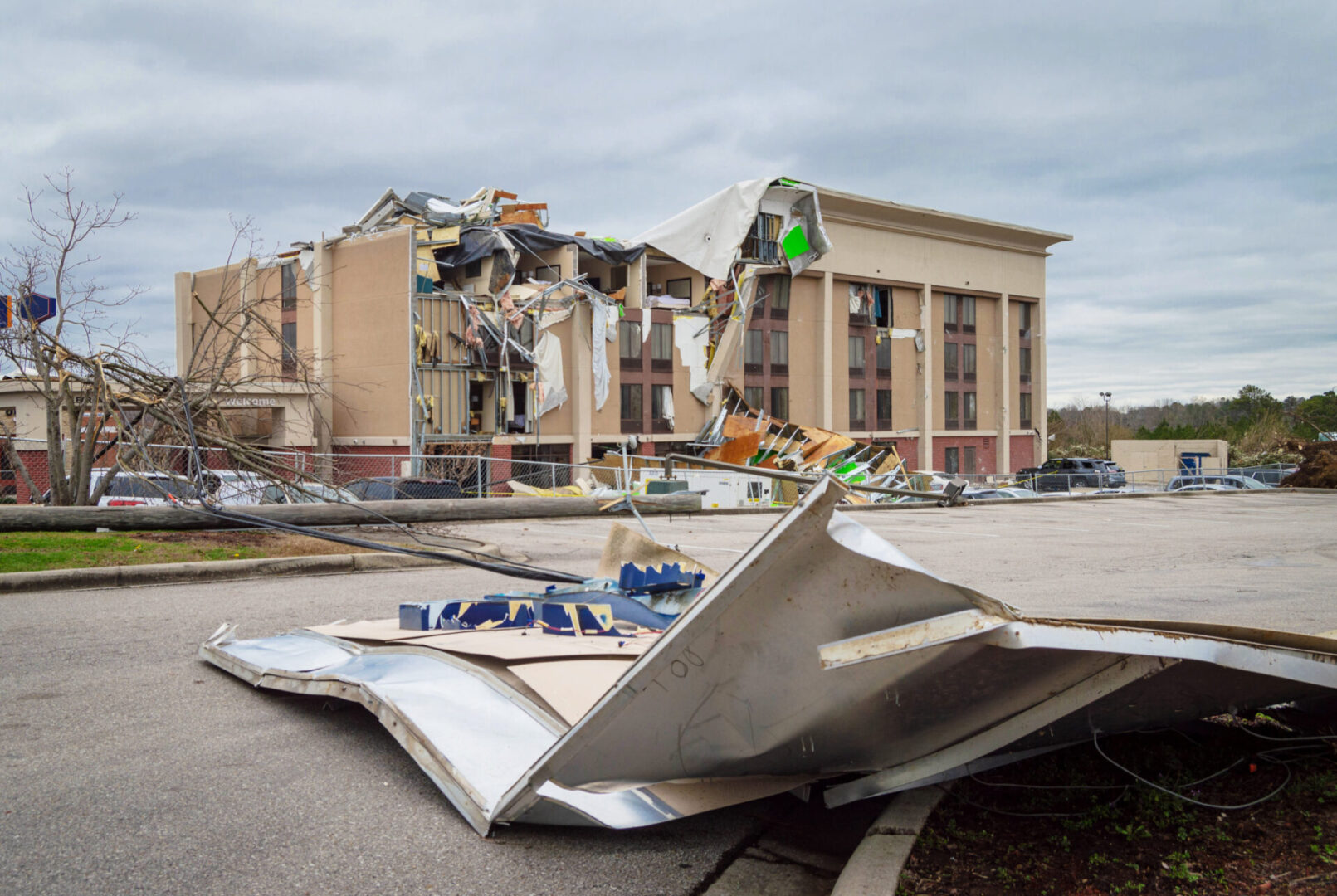
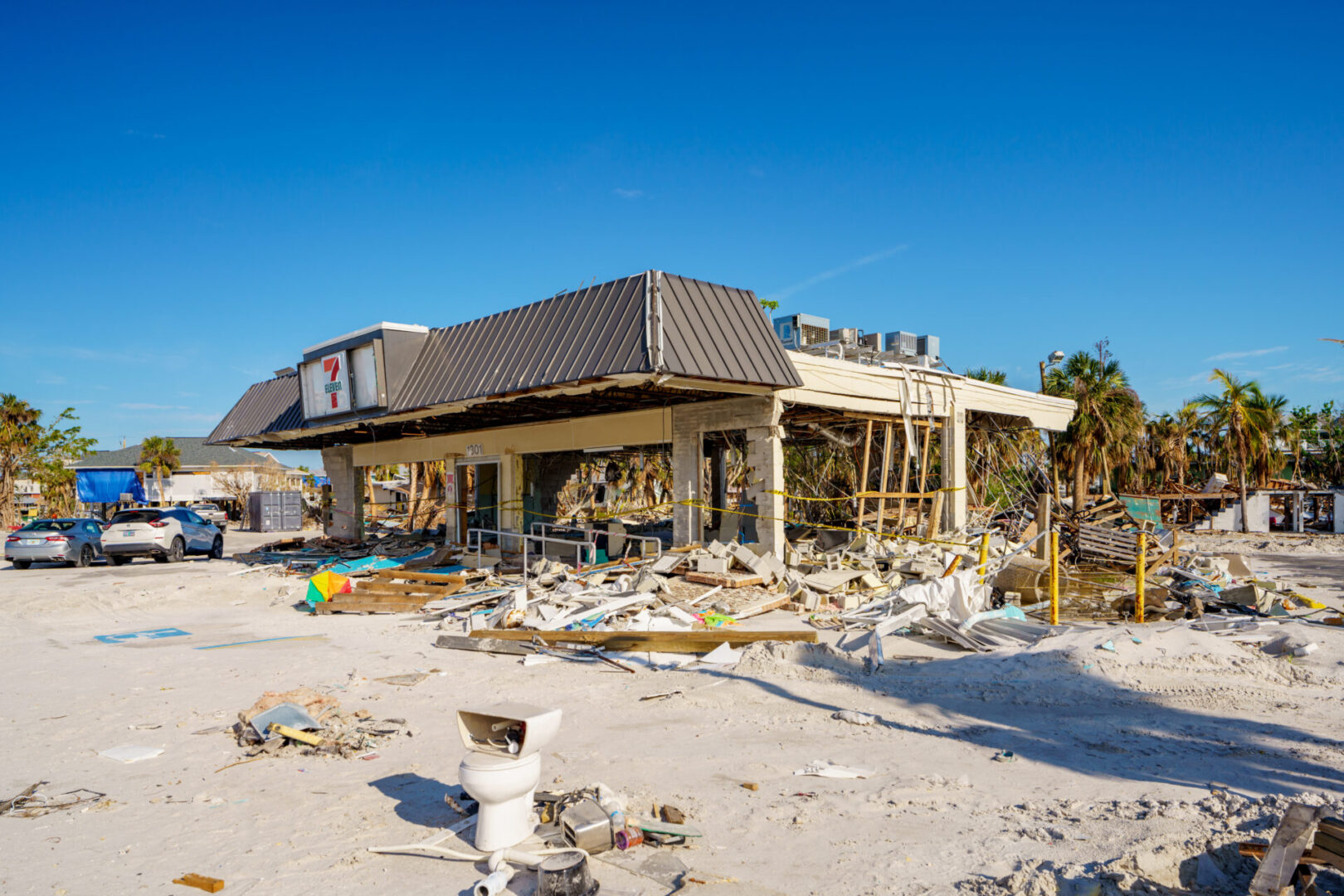
Disaster Adjusting handles wind and tornado damage claims for both residential and commercial properties, including straightforward losses and complex multi-system storm events. Wind can damage more than the roofline, and tornado losses can affect structures, contents, operations, and safety at the same time. The right claim approach depends on the property type, the severity of the event, and how the storm affected the building as a whole.
We assist with residential wind damage claims for:
– Single-family homes
– Townhomes
– Duplexes
– Apartments and multi-family housing
– Rental properties
– HOAs and community-managed residential properties
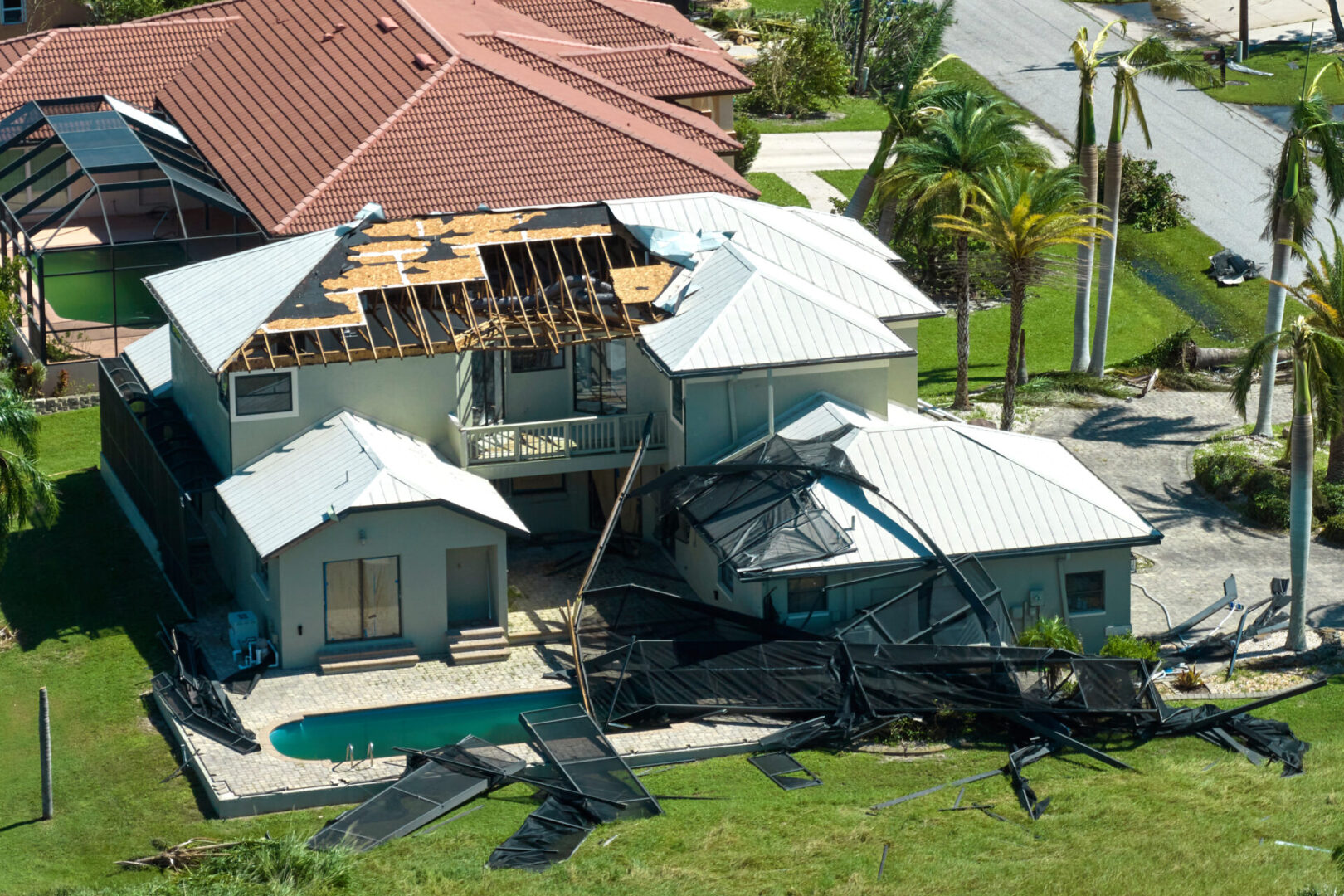
Residential wind claims often involve missing shingles, roof uplift, siding loss, broken windows, tree damage, fence damage, detached structure damage, and interior water intrusion that appears after the exterior envelope is compromised. Disaster Adjusting’s site emphasizes that residential storm claims can become difficult quickly and that proper documentation and claim handling matter to the outcome.
We also assist with commercial wind damage claims for:
– Commercial buildings
– Office buildings
– Retail properties
– Industrial facilities
– Warehouses
– Agricultural buildings
– Churches
– Schools
– Manufacturing facilities
– Mixed-use and multi-building properties
Commercial wind damage claims can be more involved because they may affect roofing systems, wall systems, windows, rooftop equipment, inventory, tenant spaces, and ongoing operations. Disaster Adjusting notes that commercial claims have unique challenges, including the need to maintain operations, manage temporary relocation, and navigate multiple coverages and endorsements during the claim process.
Common wind and tornado claim issues we see across property types include:
– Roof wind damage insurance disputes
– Straight-line wind damage affecting multiple elevations or structures
– Tornado debris impact and structural movement
– Wind damaged siding, fencing, and detached structures
– Window damage and water intrusion
– Hidden wind damage that becomes clearer later
– Incomplete storm damage documentation
– Supplemental claim needs after more damage is discovered
Whether the loss involves a home, a warehouse, a church, a school, or a commercial campus with several buildings, the goal stays the same: identify the full damage, support the correct scope of loss, and pursue a fair settlement. Disaster Adjusting provides wind damage claim help for property owners who need an experienced advocate on either the residential or commercial side of the claim.
How Do Wind and Tornadoes Damage Different Parts of a Property?
Wind and tornado damage can affect nearly every exposed part of a property, not just the roof. Some damage is obvious right after the storm, while other problems stay hidden until later rain, continued weather exposure, or repair work reveals what was actually compromised. That is why a complete wind damage inspection needs to look at the whole property.
Roof systems
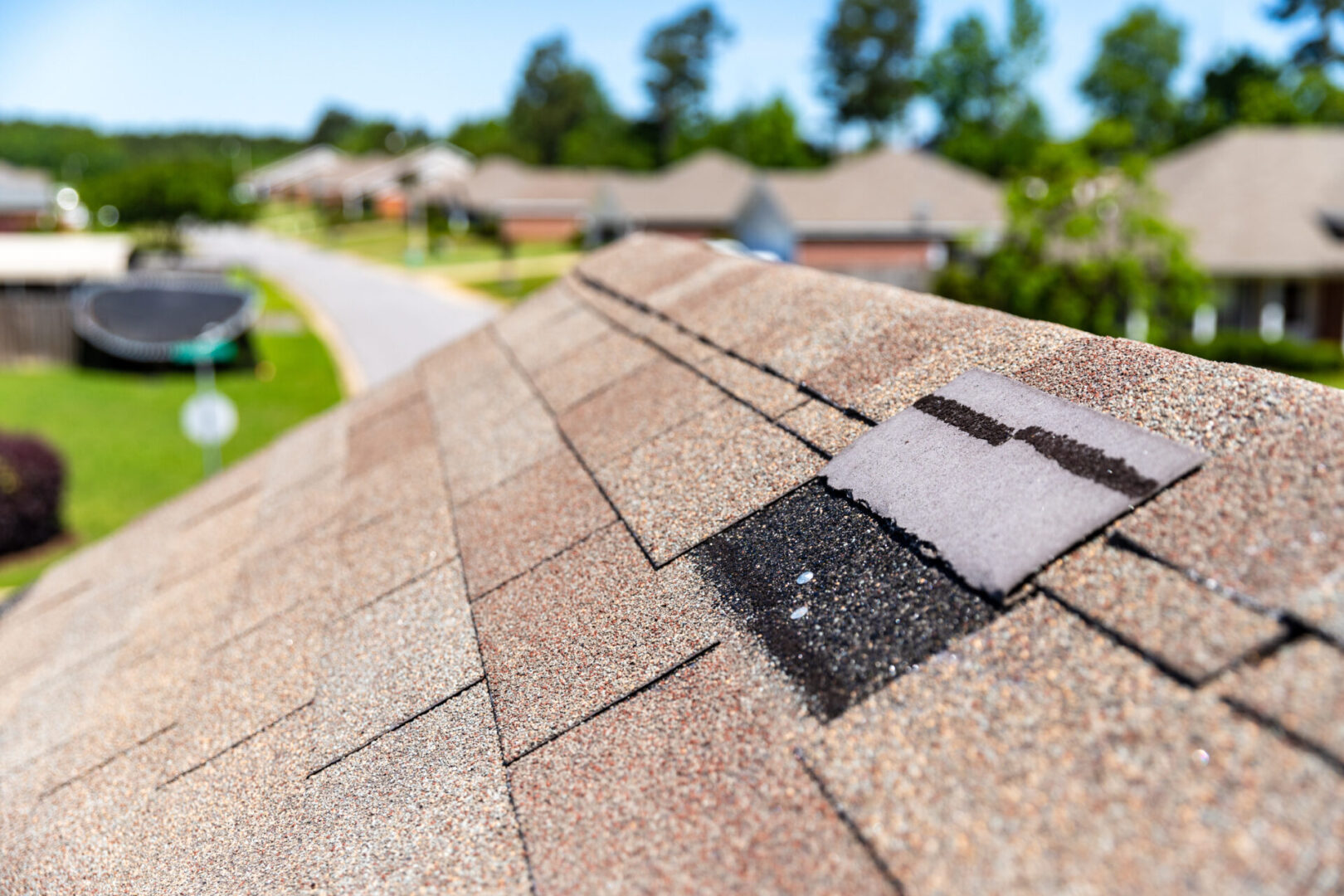
Roof systems often take the brunt of severe wind. Common damage patterns include missing shingles, lifted shingles, creased tabs, displaced ridge caps, torn membranes, and exposed underlayment. Hidden damage may include broken seals, loosened fasteners, or decking stress that is not obvious from the ground. If repairs are delayed, water intrusion and wider roof failure can follow.
Siding
Wind can crack, loosen, detach, or warp siding panels. Flying debris can also puncture or scar the surface. Some siding damage may seem minor until moisture gets behind the exterior cladding. Delayed repair can lead to water intrusion, staining, or decay behind the wall system.
Windows
Windows may break from direct impact or develop frame and seal damage from pressure changes and debris. Hidden damage can include failed seals, minor frame movement, or water entry around the perimeter. If left unaddressed, this can turn into drafts, leaks, and interior finish damage.
Skylights
Skylights can crack, shift, or develop flashing and seal failures during high winds. The damage may not be obvious until the next rain. Over time, slow leaks around skylights can affect ceilings, insulation, and surrounding framing.
Gutters and downspouts
Gutters and downspouts may pull loose, bend, detach, or clog with storm debris. What looks like simple metal damage can interfere with drainage and redirect water toward fascia, soffits, walls, or foundations.
Fencing and garage doors
Fencing often shows leaning posts, broken sections, or full panel loss after straight-line wind or tornado events. Garage doors can be dented, twisted, or pushed out of alignment. Hidden issues with hardware, tracking, or weather seals may continue to affect performance after the storm.
HVAC equipment and solar panels
Wind-blown debris can dent or damage exterior HVAC units, housings, fins, and exposed components. Solar panels may suffer impact damage, mounting stress, or subtle performance-related issues. These problems are not always obvious without closer evaluation.
Exterior finishes, landscaping, and outbuildings
Exterior paint, trim, soffits, fascia, sheds, detached garages, barns, and other outbuildings may all be affected by wind and debris impact. Landscaping may also contribute to the loss when trees or limbs strike the structure. If those related items are not documented early, they can be overlooked in the final claim.
Disaster Adjusting helps property owners document the full effect of wind and tornado damage across all major building systems so the claim reflects more than the most visible damage from the storm.
What Is the Difference Between Straight-Line Wind Damage and Tornado Damage?
Straight-line wind damage and tornado damage come from different storm forces, but both can create serious property loss and often look similar at the building level. Straight-line winds move in a more consistent direction and are commonly associated with severe thunderstorms, downbursts, and other intense storm events. Tornadoes involve rotating wind and can create a more concentrated and chaotic damage path. Even so, both can tear roofing off, break windows, damage siding, collapse fencing, topple trees, and expose the interior of a property to water intrusion.
The key difference is the storm mechanism, not necessarily the practical result for the property owner. A tornado may produce dramatic rotational damage, while straight-line winds may create widespread directional damage across a neighborhood or commercial area. In both cases, the property can suffer roof uplift, broken openings, debris impact, structural stress, and secondary interior damage.
Common misconceptions include:
– Only tornadoes cause severe structural loss
– A claim is stronger if the storm was officially labeled a tornado
– Straight-line wind damage is automatically minor
– Coverage depends more on the storm name than the actual damage
In practice, insurance coverage is often similar because the policy usually responds to the covered physical damage, not just the storm label. If wind caused the loss, the claim analysis usually centers on what was damaged, how the damage happened, and what it will take to repair the property. Whether the storm was classified as a tornado, straight-line wind event, or severe thunderstorm may matter for weather reporting and event history, but the claim still depends on the facts of the property damage and the policy terms.
That is why tornado-only thinking can lead property owners in the wrong direction. Some people assume that if the storm was not confirmed as a tornado, their claim is weaker. Others assume that only obvious tornado destruction qualifies as meaningful wind damage. Both assumptions can cause missed opportunities to document roof uplift, siding loss, flashing damage, window failure, structural movement, and hidden water pathways that deserve attention.
Disaster Adjusting helps policyholders focus on the actual loss rather than the storm label alone. If straight-line winds or tornado conditions damaged your property, the priority is building a clear, supportable wind damage property claim that reflects the real scope of what the storm did.
What Hidden Wind Damage Do Insurance Estimates Often Miss?
Hidden wind damage is one of the biggest reasons a wind damage insurance claim can be underpaid. Some storm damage is easy to see, such as shingles on the ground, broken windows, or fallen fencing. But many wind-related problems are less obvious at first and only become clear after more weather exposure, closer inspection, or the start of repairs. If those hidden issues are missed in the estimate, the claim may fall short of what the property actually needs.
Commonly overlooked hidden wind damage includes:
– Lifted shingles
– Broken roof seals
– Compromised flashing
– Roof decking issues
– Water intrusion pathways
– Window seal failure
– Insulation damage
– Attic damage
– Structural movement
– HVAC damage
– Electrical component exposure
Lifted shingles may settle back into place after the storm, making the roof look better than it really is. But once the seal is broken, the roofing system may be more vulnerable to future wind and water damage. Broken roof seals and compromised flashing can allow slow water entry that does not show up inside right away. Roof decking may also be stressed or damaged where uplift forces were strongest.
Window seal failure can take time to appear. A storm may affect the frame or seal without fully breaking the glass, and later the owner notices fogging, drafts, or moisture problems. Insulation and attic damage may stay hidden until staining, wet materials, or odor make the issue harder to ignore. Structural movement is another concern in stronger wind or tornado losses. Doors and windows may no longer close correctly, framing may shift, or cracking may appear over time as the building settles after the event.
HVAC systems and electrical components can also be affected by wind-driven debris, moisture exposure, or storm-related displacement. These systems may continue working for a time while still carrying hidden damage that shortens lifespan or leads to later failure.
Why do these issues turn into larger problems weeks or months after the storm? Because wind damage often weakens a system before it fully fails. A roof may not leak during the first rain, but a later storm exposes the broken seal. A shifted window may not show moisture immediately, but repeated weather cycles can lead to seal breakdown. A bent flashing detail may hold for a while, then start allowing water behind the wall.
Disaster Adjusting helps property owners look beyond the first visible signs and document the hidden wind damage that often drives supplemental claims and repair disputes later. Catching those problems early can help support a more complete estimate and reduce the risk of ongoing damage after the initial storm.
What Does the Wind Damage Insurance Claim Process Look Like?
The wind damage insurance claim process usually moves through a series of steps, but the outcome depends heavily on how well the property is protected, inspected, and documented along the way. Wind and tornado losses can develop quickly, and some of the most important damage is not obvious during the first walkthrough. A clear process helps reduce gaps that later lead to underpayment or delay.
Visual timeline
Storm occurs
↓
Emergency protection
↓
Property inspection
↓
Insurance notification
↓
Carrier inspection
↓
Documentation
↓
Estimate review
↓
Settlement
↓
Repairs
↓
Supplemental claims
Storm occurs
The windstorm, tornado, or straight-line wind event causes direct damage to the roof, siding, windows, fencing, structures, or surrounding property. Best practice is to note the date of loss and begin preserving photos and evidence as soon as it is safe.
Emergency protection
If the storm leaves openings, broken glass, exposed interiors, or active leaks, temporary protection may be needed right away. Tarping, board-up, and water control can prevent additional damage. Keep receipts and records for any emergency storm repairs.
Property inspection
A careful inspection is one of the most important stages. The challenge is that some damage, such as lifted shingles, flashing issues, attic moisture, or structural movement, may not be obvious at first glance. Roof systems, windows, siding, detached structures, and interior areas should all be reviewed.
Insurance notification
The claim is reported to the carrier. The best approach is to provide accurate information without guessing at the full scope before the property has been thoroughly evaluated.
Carrier inspection
The insurance company sends its representative to inspect the loss. A common challenge here is that the inspection may be narrow, rushed, or limited to the most visible damage. Important details can be missed if the property has multiple affected areas or hidden storm damage.
Documentation
This is where the claim becomes stronger. Photos, measurements, notes, contractor findings, scope details, receipts, and records of water intrusion or structural issues should be organized clearly.
Estimate review
The estimate should be reviewed carefully for omitted items, low pricing, incomplete measurements, or missing categories such as detached structures, HVAC damage, code items, or interior water damage.
Settlement
A payment is issued based on the covered damage recognized at that point in the claim. Property owners should understand what is included, what is not, and whether more review may still be needed.
Repairs
As work begins, additional storm-related issues may appear. Roofing layers may reveal hidden uplift damage. Interior repairs may uncover moisture spread. Structural or flashing problems may become clearer once materials are opened up.
Supplemental claims
If newly discovered covered damage changes the repair scope, a supplemental claim may be needed. This is common in wind losses where hidden damage becomes more obvious later.
Disaster Adjusting helps policyholders through each stage by reviewing the policy, documenting the wind loss carefully, evaluating estimates, and supporting supplemental claims when the original scope falls short. A well-managed wind claim is not just about getting a payment. It is about making sure the settlement reflects the real condition of the property after the storm.

What Is Included in a Wind Damage Insurance Claim?
A wind damage insurance claim can include far more than missing shingles. Depending on the storm and the policy, the claim may involve exterior building components, resulting water intrusion, temporary protective work, code-related costs, and professional support needed to understand the full scope of loss. A complete claim should reflect what it actually takes to inspect, repair, or replace the damaged property after the storm.
A wind damage claim may include:
– Roof damage
Missing shingles, creased tabs, membrane damage, flashing issues, ridge cap loss, exposed underlayment, and other roof system damage may all be part of the claim.
– Siding
Wind can loosen, crack, detach, or puncture siding, especially when debris is involved.
– Windows
Claims may include broken glass, frame damage, seal issues, or water entry around the openings.
– Skylights
Impact damage, seal failure, or flashing-related leaks around skylights may need to be included.
– Gutters
Gutters and downspouts can pull loose, bend, detach, or stop functioning properly after a severe wind event.
– Fencing
Wind can lean, break, uproot, or fully remove fence sections and gates.
– Garage doors
Garage doors may dent, rack, twist, or lose alignment under strong wind pressure.
– HVAC systems
Exterior condensers, rooftop units, housings, and exposed components may be affected by debris impact or storm displacement.
Once the exterior envelope is compromised, water can enter attics, ceilings, walls, and other concealed areas.
– Interior damage
Drywall, insulation, flooring, paint, trim, and personal or business property may be affected when the storm allows water inside.
– Temporary repairs
Board-up, tarping, leak control, and other emergency storm repairs are often necessary to protect the property from further damage.
– Debris removal
Storm cleanup may include removal of damaged materials, broken building components, and debris tied to the loss.
– Tree removal when covered
In some claims, tree removal may be covered when a fallen tree damages an insured structure or blocks necessary access.
– Code upgrades
If repairs trigger updated building requirements, those added costs may need review under the policy.
– Engineering reports
Some losses require professional evaluation to assess structural movement, roof system failure, or repair feasibility.
What is included depends on the facts of the loss and the policy language, but the key point is that wind claims are often broader than the first estimate suggests. Disaster Adjusting helps property owners evaluate the full damage picture so the claim includes more than the most visible exterior problems and addresses the related costs of restoring the property properly.
How Do Residential Wind Damage Claims Affect the Whole Property?
Residential wind damage claims often involve much more than the main roof. A strong storm can affect multiple structures, exterior features, and interior areas throughout the property. For homeowners, the challenge is making sure the claim reflects the entire residential loss, not just the most obvious damage seen from the street.
A residential wind damage claim may involve:
– Roof systems
The main roof is often the first concern, but the inspection should also consider ridges, valleys, flashing, vents, skylights, decking stress, and the broader roofing system rather than only the missing materials.
– Detached garages
Detached garages may have separate roofing, siding, doors, gutters, and electrical components that were also affected by the storm.
– Sheds
Utility sheds, workshops, and storage buildings can suffer roof loss, wall damage, door failure, or moisture exposure after the storm.
– Fences
Fences may be broken, tilted, uprooted, or partially collapsed by direct wind pressure or falling debris.
– Pools
Pool equipment, enclosures, covers, and nearby exterior components may be affected depending on the storm conditions and the property setup.
– Outdoor living spaces
Covered patios, pergolas, outdoor kitchens, lighting, seating areas, and built-in exterior features may all be exposed during severe wind events.
– Landscaping
Landscaping may be impacted by fallen limbs, uprooted trees, debris scatter, or storm-driven objects. Coverage varies by policy, but the overall property condition still matters to the claim.
– Interior water damage
Once the roof or exterior envelope is breached, interior water damage can affect ceilings, walls, insulation, flooring, cabinets, and other finishes.
– Personal property
If water enters the home or debris impacts the interior, furniture, electronics, clothing, stored items, and other personal property may also be affected.
One of the biggest problems in residential wind claims is that the focus stays too narrow. A homeowner may receive an estimate for part of the roof while detached structures, fencing, garage doors, water intrusion, and damaged personal property receive little or no attention. By the time those issues become more obvious, the claim may need to be supplemented.
Disaster Adjusting helps homeowners evaluate the broader effect of the storm across the full residential property. That includes the main dwelling, additional structures, outdoor features, and resulting interior damage. A complete residential wind damage claim should reflect how the storm affected the property as a whole, not just the first visible signs at the roofline.
What Makes Commercial Wind Damage Claims More Complex?
Commercial wind damage claims are often more complex because the storm can affect the roof system, the building envelope, mechanical equipment, tenant spaces, stored goods, and business operations at the same time. A commercial property owner may be dealing with active leaks, safety concerns, disrupted occupancy, scheduling pressure, and larger repair scopes across a more technical property than a typical home. That is why a commercial wind damage claim needs a broader and more detailed review.
Common commercial wind claim issues include:
– Flat roofing
Flat and low-slope roofing systems may suffer membrane uplift, edge failure, seam separation, punctures from debris, flashing displacement, and drainage-related problems. Some of this damage is subtle and may not show immediate interior symptoms.
– Metal roofing
Metal roof systems can experience panel displacement, loosened fasteners, seam stress, flashing movement, and storm-created openings that are not always obvious from below.
– Mechanical equipment
Rooftop units and other exterior mechanical systems may be exposed to flying debris, moisture intrusion, housing damage, and storm-related movement. Mechanical impacts are easy to underestimate if the equipment still appears to be operating.
– Inventory
When the roof or building envelope is compromised, stored goods, materials, finished products, records, and contents inside the building may be damaged by water, debris, or contamination.
– Tenant improvements
In leased spaces, wind-related openings or roof leaks may affect ceilings, lighting, walls, flooring, fixtures, and built-out improvements that are important to the tenant and the claim.
– Business interruption
Storm damage can disrupt occupancy, customer access, production schedules, and normal operations. Depending on the policy, this can become a major part of the commercial claim.
Commercial wind claims also commonly involve:
– Manufacturing facilities with downtime and exposed production areas
– Warehouses with large roof areas and stored inventory
– Retail buildings with customer-facing damage and operational disruption
– Office buildings with multiple suites, rooftop systems, and tenant coordination issues
The challenge with many commercial claims is that the loss does not stay confined to one damaged area. Once wind compromises the roof or exterior envelope, the effects can spread into occupied space, equipment, inventory, and the ability to use the building. Large commercial properties may also have multiple roof sections, varied materials, and staggered repair needs that make the scope harder to capture in a single basic inspection.
Disaster Adjusting helps commercial property owners document wind damage across the full property, review policy language, evaluate estimates, and support a claim that reflects both the building and the business impact of the storm. A complete commercial wind damage claim should account for the roof, the systems below it, and the operational consequences that follow.
Why Do Wind Damage Claims Become Underpaid?
Wind damage claims often become underpaid because the initial estimate does not capture the full damage or the full cost to restore the property properly. In many cases, the storm is recognized and some payment is issued, but important parts of the loss are omitted, underestimated, or treated too narrowly. That can leave the property owner with a settlement that does not match the actual repair needs.
Common reasons wind claims become underpaid include:
– Incomplete inspections
A rushed inspection may focus only on obvious missing materials while skipping less visible roof areas, detached structures, attic spaces, mechanical systems, or related interior damage.
– Hidden roof damage
Lifted shingles, broken seals, flashing movement, and decking stress are easy to miss if the inspection looks only for dramatic surface loss.
– Water intrusion omitted
Wind often creates openings that allow water to enter the property later. If the claim focuses only on the exterior, the interior damage may be missed or disconnected from the storm.
– Structural movement overlooked
Strong wind and tornado conditions can shift framing, affect door and window operation, and create subtle movement that becomes clearer over time.
– Insufficient repair pricing
Even when the scope is mostly correct, pricing may not match real labor, material, access, disposal, or project-condition costs.
– Missed code upgrades
Building requirements can affect how damaged roofing, openings, or structural components must be repaired. If those costs are not considered, the estimate may be too low.
– Incomplete contractor estimates
Some estimates leave out key items, rely on overly limited repairs, or fail to reflect how the storm affected the property as a system.
– Missed HVAC damage
Exterior equipment can be damaged by debris, pressure, or moisture, yet still be overlooked because it continues functioning at first.
– Failure to identify secondary damage
Water staining, wet insulation, damaged contents, interior finish issues, and moisture-related deterioration often follow the initial wind event and should not be ignored.
Underpayment does not always mean the claim was denied. Often it means the first number was incomplete. That is common in both residential and commercial wind damage claims, especially when the storm affected multiple systems or when hidden damage did not become obvious until later.
Disaster Adjusting helps property owners review wind damage estimates, document missed items, evaluate incomplete scopes, and support supplemental claims when needed. A well-supported claim is not just about showing that wind hit the property. It is about showing everything the storm actually damaged and what it will take to restore it properly.
How Does Our Wind Damage Claim Process Work?
Our wind damage claim process is designed to help property owners move from storm-related uncertainty to a well-supported insurance claim. After a windstorm or tornado, it is common to feel pressure to make quick decisions while still trying to understand the true condition of the property. Disaster Adjusting brings structure to that process by reviewing the policy, inspecting the damage, documenting the loss, and pursuing a claim resolution that reflects what the property actually needs.
Our process typically includes:
– Consultation
We begin with a conversation about the storm, the condition of the property, and where the claim currently stands. Some clients contact us immediately after the event. Others reach out after an inspection, a low estimate, or a dispute about the scope of damage.
– Policy review
We review the policy to identify the relevant coverages, deductibles, endorsements, exclusions, and claim requirements that may affect the wind damage insurance claim.
– Inspection
We inspect the affected property to look at roofing, siding, windows, openings, detached structures, mechanical equipment, and interior areas that may have been affected by wind-driven rain or structural breach.
– Documentation
We organize the storm damage into a clearer claim file with photos, notes, measurements, scope details, repair support, and other evidence tied to the loss.
– Claim preparation
A wind claim requires more than simply reporting the storm. We help prepare the claim in a way that reflects the actual condition of the property and the repair work needed.
– Estimate review
We review available estimates for missing items, low pricing, limited repair recommendations, omitted secondary damage, and code-related issues that may affect the settlement.
– Insurance meetings
We communicate with the carrier and participate in inspections and claim discussions so the documented damage is presented clearly and consistently.
– Negotiation
If the initial estimate falls short, we work through the supporting documentation and claim issues needed to pursue a more complete and accurate outcome.
– Claim resolution
The goal is a settlement that accounts for the full covered storm damage. If additional damage is discovered later, supplemental support may still be needed.
No two wind or tornado claims follow the exact same path. Some involve missing shingles and broken fencing. Others involve structural movement, roof system failure, water intrusion, business interruption, and multi-building losses. Disaster Adjusting helps residential and commercial policyholders manage that complexity with a disciplined process built around inspection, documentation, and claim support from start to finish.
Wind and Tornado Insurance Claim FAQs
What should I do after wind damage?
Start with safety, then protect the property from further damage if needed, document visible conditions, and begin gathering the information needed for the claim.
How do I know if wind damaged my roof?
Signs may include missing shingles, lifted tabs, exposed underlayment, displaced flashing, interior leaks, or debris patterns around the property. Some wind damage is not obvious without a closer inspection.
Can wind damage cause leaks later?
Yes. Wind can break roof seals, lift materials, or loosen flashing without causing an immediate leak. Later rain can then expose the weakness.
Does homeowners insurance cover wind damage?
Many homeowners policies do cover wind damage, but coverage depends on the policy language, deductibles, exclusions, and the facts of the loss.
What is straight-line wind damage?
Straight-line wind damage is property damage caused by strong winds moving in a generally consistent direction, often during severe thunderstorms or downburst events.
Does insurance cover tornado damage?
In many cases, yes. Tornado damage is commonly handled as storm-related wind damage under the policy, subject to its terms and conditions.
Can wind damage windows?
Yes. Wind can break glass, damage frames, compromise seals, and create water intrusion issues around the window opening.
Does insurance cover fallen trees?
It can, depending on the policy and what the tree damaged. Coverage often depends on whether the tree struck an insured structure or created another covered loss condition.
How long do I have to file a wind damage claim?
That depends on the policy and applicable claim deadlines. The safest approach is to act promptly once damage is suspected.
Can I reopen a wind damage claim?
In some situations, yes. If additional covered damage is discovered later or the original estimate was incomplete, there may be options to supplement or revisit the claim.
How long does a wind damage claim take?
The timeline depends on the size of the loss, the complexity of the damage, the speed of inspections, and whether disputes or supplemental issues arise.
What if my insurance estimate is too low?
A low estimate may mean key items were missed, underpriced, or limited too narrowly. A more detailed review and additional documentation may be needed.
Can wind damage siding?
Yes. Wind can loosen, crack, detach, warp, or puncture siding, especially when debris is involved.
Should I repair my roof before filing a claim?
You should make reasonable temporary repairs to protect the property from further damage, but major permanent repairs should usually wait until the damage is documented and the claim is clearer.
Can wind damage HVAC equipment?
Yes. Wind-driven debris, moisture, and physical displacement can affect exterior or rooftop HVAC equipment.
Can wind damage garage doors?
Yes. Wind pressure and debris can dent, twist, rack, or misalign garage doors and their components.
Can wind damage skylights?
Yes. Wind can affect skylight glazing, seals, and flashing, leading to leaks or later moisture problems.
Can wind damage fences and sheds?
Yes. Detached structures and site features are commonly affected by strong wind and tornado events.
Can wind damage cause structural movement?
Yes. In stronger events, wind forces can affect framing, openings, roof systems, and how parts of the building align or operate.
What hidden wind damage is often missed?
Lifted shingles, broken seals, flashing problems, attic moisture, insulation damage, window seal failure, and subtle structural movement are commonly overlooked.
Does wind damage always look obvious from the ground?
No. Some of the most important damage is elevated, concealed, or only becomes apparent after more weather exposure.
Can wind and rain create a combined claim issue?
Yes. Wind may open the building envelope, and rain that enters through that storm-created opening can become part of the claim.
What if the insurance company says there is not enough damage?
A more detailed inspection may be necessary. Some wind damage is missed in initial reviews, especially when it involves hidden uplift, secondary water damage, or difficult roof access.
Can commercial buildings have hidden wind damage without immediate leaks?
Yes. Flat roofs, metal roofs, and larger commercial systems can be compromised without immediate interior symptoms.
Will insurance pay for interior water damage caused by wind?
It may, if the water entered through a storm-created opening or another covered wind-related condition.
Can I file a claim for missing shingles only?
Yes, but missing shingles may be only part of the larger issue. The claim should also consider lifted surrounding materials, flashing, underlayment, and potential water intrusion.
What does a public adjuster do after wind damage?
A public adjuster reviews the policy, inspects the property, documents the damage, prepares claim support, reviews estimates, and negotiates on behalf of the policyholder.
Should I hire a public adjuster after a tornado?
It can make sense when the damage is significant, structural concerns exist, the estimate feels low, or the claim has become difficult to manage.
What is a supplemental wind damage claim?
A supplemental claim is a request for added payment after additional covered damage or repair needs are discovered beyond the original estimate.
Can wind damage personal property inside the home or building?
Yes. If the storm creates openings, allows water inside, or leads to debris impact, personal property or business contents may also be damaged.
Does insurance cover code upgrades after wind damage?
It may, depending on the policy and the building requirements triggered by the repair work.
Get Help With Your Wind or Tornado Insurance Claim
Wind and tornado claims can become complicated very quickly. A property may start with missing shingles, broken windows, or fallen fencing, but the real loss can extend much further into the roof system, flashing, siding, insulation, attic spaces, interior finishes, HVAC equipment, detached structures, and business operations. For commercial properties, the impact may also include tenant improvements, inventory exposure, and operational disruption. That is why a complete wind damage insurance claim requires more than a basic inspection and a quick estimate.
Disaster Adjusting works for policyholders, not the insurance company. We bring decades of experience in property insurance claims, policy review, storm damage documentation, estimate analysis, and claim negotiation. Our role is to help homeowners and commercial property owners present a stronger, more complete claim from the beginning or step in when the original scope falls short.
Whether you are dealing with a residential wind damage claim, a commercial wind damage claim, a tornado damage insurance claim, or straight-line wind damage that led to roof and water intrusion issues, Disaster Adjusting is here to help you understand what your claim should include and how to move it forward. We assist with inspections, documentation, estimate review, insurance meetings, negotiations, and supplemental claim support when more damage is discovered later.
If your home, building, or business was damaged by wind or tornado conditions, call Disaster Adjusting at (888) 675-0911 to discuss your situation. If you prefer to reach out online, use the contact form or visit our contact us page to request a consultation with Disaster Adjusting. When the storm has already disrupted your property, the next step is making sure your claim reflects the full damage and gives you a clearer path to recovery.