
Hail Damage Insurance Claims
Hail Damage Public Adjusting for Residential and Commercial Claims
If your property was hit by hail, hiring Disaster Adjusting can help you build a stronger, more complete insurance claim from the start. Hail damage is often more extensive than it looks from the ground, and many claims turn on details that are easy to miss, such as roof impacts, soft metal dents, siding damage, window issues, HVAC damage, and hidden water intrusion. Disaster Adjusting provides hail damage public adjusting services for homeowners and commercial property owners who need experienced claim support after a storm.
A hail damage public adjuster works for you, not the insurance company. That matters when the claim involves disputed roof damage, a limited inspection, low repair allowances, or questions about whether the storm caused full replacement needs. Disaster Adjusting helps document the loss, review your policy, inspect the property, organize the claim, and work toward a settlement that reflects the real scope of the damage.
This service is built for:
– Homeowners with residential hail damage
– Commercial property owners with storm-related building damage
– Owners of multi-family properties, rental properties, and mixed-use buildings
– Policyholders dealing with roof hail damage insurance questions
– Property owners who suspect hidden hail damage or an incomplete estimate
– Anyone who needs hail insurance claim help after a severe storm
Common problems we help solve include:
– Roof damage that was minimized or partially documented
– Hidden hail damage that was missed during the first inspection
– Low insurance estimates for roofing, siding, gutters, windows, or HVAC
– Disputes over repair versus replacement
– Incomplete storm damage documentation
– Supplemental claim needs after more damage is found
– Delays, confusion, and difficult carrier communication
Why choose Disaster Adjusting? We bring residential and commercial claim experience, detailed documentation, policy knowledge, and decades of insurance claim background to the process. We understand that a hail damage insurance claim is not just about dents on a roof. It can affect exterior systems, interior conditions, code requirements, business operations, and long-term property performance.
If you need a public adjuster for hail damage, call Disaster Adjusting at (888) 675-0911. Contact us today to request a claim review and find out what your hail damage insurance claim should really include.
What Does a Public Adjuster Do During a Hail Damage Claim?
A public adjuster helps the policyholder prepare, document, and pursue the hail damage insurance claim with a focus on what the property actually needs. After a hailstorm, many owners are left trying to interpret policy language, compare estimates, understand repair recommendations, and respond to the insurance company while also protecting the property. Disaster Adjusting steps in to manage that process in a more organized and informed way.
During a hail damage claim, our role may include:
– Reviewing the insurance policy
We look at the coverages, exclusions, deductibles, endorsements, and claim conditions that may affect roof hail damage insurance, siding damage, water intrusion, code items, and related storm damage.
– Inspecting all affected areas
Hail damage can involve much more than shingles. We inspect roofing, siding, gutters, downspouts, windows, skylights, soft metals, exterior components, and other storm-exposed areas.
– Documenting visible and hidden damage
Some hail damage is obvious. Some is not. We help document both visible impacts and hidden issues that may lead to leaks, shortened roof life, compromised seals, insulation problems, or interior damage later.
– Preparing a detailed scope of loss
A strong claim needs a clear insurance scope of loss. We help define what was damaged, what work is needed, and what should be included in the estimate.
– Reviewing contractor and carrier estimates
We compare the estimate to the actual storm damage and identify missing items, low allowances, incomplete measurements, or repair assumptions that do not match field conditions.
– Meeting with insurance representatives
We help present the documented damage during inspections and claim discussions so key issues are not overlooked.
– Supporting supplemental claims
If additional damage is found during repairs or after a more detailed review, we help support supplemental claim requests with updated documentation.
– Assisting throughout the claim process
From the first review to final resolution, we help keep the claim organized, supported, and moving forward.
Should you hire a public adjuster after a hailstorm? If the damage is widespread, the estimate feels low, the roof replacement question is disputed, or the claim process is becoming difficult to manage, the answer is often yes. When should you hire one? The earlier the better, but help can still make a difference after an inspection, a low offer, or a delayed response. A hail damage public adjuster helps level the field when the stakes are high and the storm damage is more complex than it first appears.
What Types of Hail Damage Claims Do We Handle?
Disaster Adjusting handles hail damage claims for both residential and commercial properties, including simple losses and more complex storm damage situations where multiple systems or buildings are involved. Hail can affect far more than a roof, and the right claim strategy depends on the property type, the extent of the damage, and how the storm impacted the structure as a whole.
We assist with residential hail damage claims for:
– Single-family homes
– Townhomes
– Duplexes
– Multi-family housing
– Rental properties
– High-value homes with complex roofing or exterior systems
Residential hail claims often involve roofing, siding, gutters, downspouts, windows, skylights, detached structures, fences, and interior water damage that shows up after the storm. In many cases, the biggest issue is not whether hail hit the property. It is whether the full damage was recognized and properly valued.
We also assist with commercial hail damage claims for:
– Office buildings
– Retail properties
– Industrial facilities
– Warehouses
– Apartment buildings
– HOAs
– Churches
– Schools
– Agricultural buildings
– Mixed-use and multi-building properties
Commercial hail damage claims can be more involved because the loss may affect roofing systems, exterior finishes, rooftop equipment, tenant spaces, drainage systems, signage, and ongoing operations. A commercial property owner may also be dealing with access issues, repair timing, code concerns, lease obligations, or business interruption questions while the claim is still being evaluated.
Common hail-related claim issues we see across property types include:
– Roof hail damage insurance disputes
– Wind and hail damage affecting multiple exterior systems
– Siding hail damage and matching concerns
– Gutter and soft metal impact damage
– Window and seal-related storm damage
– HVAC hail damage on rooftop or exterior units
– Hidden hail damage that becomes clear later
– Incomplete storm damage documentation
– Supplemental needs after initial estimates fall short
Whether the storm affected a home, a warehouse, an apartment complex, or a commercial facility with multiple structures, the goal stays the same: identify the full damage, support the proper scope of loss, and pursue a fair settlement. Disaster Adjusting provides hail damage claim assistance for property owners who need a thorough, experienced advocate on the residential or commercial side of the claim.


How Does Hail Damage Different Parts of a Property?
Hail damage can affect nearly every exposed part of a property, not just the roof. The problem is that some damage is obvious right away, while other impacts take time to show up. When damage is missed early, the claim may be undervalued and the property may continue to deteriorate long after the storm is over.
Roofing systems
Roofing systems are one of the most common areas affected by hail. Common damage patterns include bruised or fractured shingles, granule loss, cracked tiles, punctures in membranes, damaged ridge caps, and impact marks on vents or flashing. Some of this damage is hard to see from the ground or may not look serious at first. Over time, overlooked roof hail damage can reduce the roof’s service life, expose underlying materials, and increase the risk of leaks.
Siding
Hail can crack, chip, dent, or loosen siding depending on the material. Vinyl may show splits or breaks, while metal siding may dent and fiber cement can chip or fracture. Damage may be missed if it is limited to one elevation or blends into the finish. If left unaddressed, siding damage can allow moisture intrusion and create broader exterior repair issues.
Windows
Windows may suffer cracked glass, damaged glazing, frame impact, or seal-related issues after a hailstorm. Some window damage is immediate, but seal failure or minor frame distortion may not become clear until later. Missed damage can lead to fogging, drafts, water entry, and reduced energy performance.
Skylights
Skylights are vulnerable to impact cracking, seal damage, and flashing issues. Even when the glazing does not fully break, hail can weaken seals or surrounding components. That can lead to slow leaks and interior staining over time.
Gutters and downspouts
Gutters and downspouts often show dents, punctures, loose sections, or impact-related deformation. These components are sometimes treated as cosmetic, but damaged drainage systems can affect how water moves off the roof and away from the building. If the flow is disrupted, water can back up into fascia, soffits, or foundation-adjacent areas.
Garage doors
Garage doors can show dents, chipped finishes, and impact damage that affects panels or alignment. A door may still function after the storm, but hidden issues with seals or panel integrity can remain.
HVAC equipment
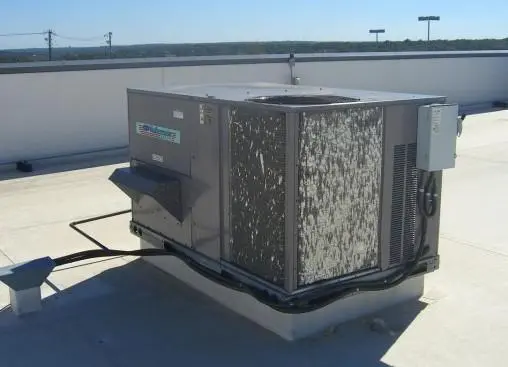
Exterior and rooftop HVAC equipment can suffer fin damage, housing dents, and impact to exposed components. Reduced efficiency or shortened equipment life may not be obvious right away, which is why HVAC hail damage deserves close inspection.
Solar panels
Solar panels may develop cracked surfaces, microfractures, or performance-related issues that are not easy to detect visually. If overlooked, power output may decline over time.
Exterior paint, decks, fences, outdoor equipment, and soft metals
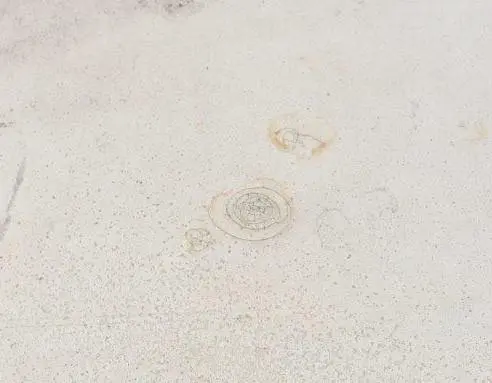
Hail can chip paint, scar deck surfaces, crack fence materials, and dent outdoor mechanical equipment. Soft metals such as flashing, vents, trim, and roof accessories often show some of the clearest impact evidence. These details matter because they can help support the timing and severity of the storm while also pointing to larger system damage.
A thorough hail damage inspection looks at how all these components work together. Disaster Adjusting helps document visible and less obvious storm damage so the claim reflects the full condition of the property, not just the most noticeable impacts.
What Hidden Hail Damage Can Be Missed After a Storm?
Hidden hail damage is one of the main reasons a hail damage insurance claim can become disputed or underpaid. A property may look mostly intact from the ground, yet key roofing or exterior components may already be compromised. The concern is not only what the hail did on the day of the storm, but what that damage allows to happen in the weeks and months that follow.
Hidden hail damage can include:
– Bruised shingles
– Lifted shingles
– Granule loss
– Compromised underlayment
– Damaged roof decking
– Window seal failure
– Insulation damage
– Moisture intrusion
– Interior water damage
– Structural deterioration over time
Bruised shingles may not always show dramatic surface breaks, but the impact can weaken the mat below the surface. Lifted shingles can result from wind and hail together, breaking the seal that helps keep water out. Granule loss may expose the roofing material to faster weathering and shorten the service life of the roof. Below that, compromised underlayment or roof decking may not be discovered until repairs begin or a leak develops.
Window damage can also stay hidden. A hailstorm may affect seals or frames without leaving obvious broken glass. Months later, the owner may notice fogging, condensation, drafts, or water staining around the openings. Insulation damage and moisture intrusion may spread quietly into attic spaces, wall cavities, or ceiling areas before visible signs appear inside.
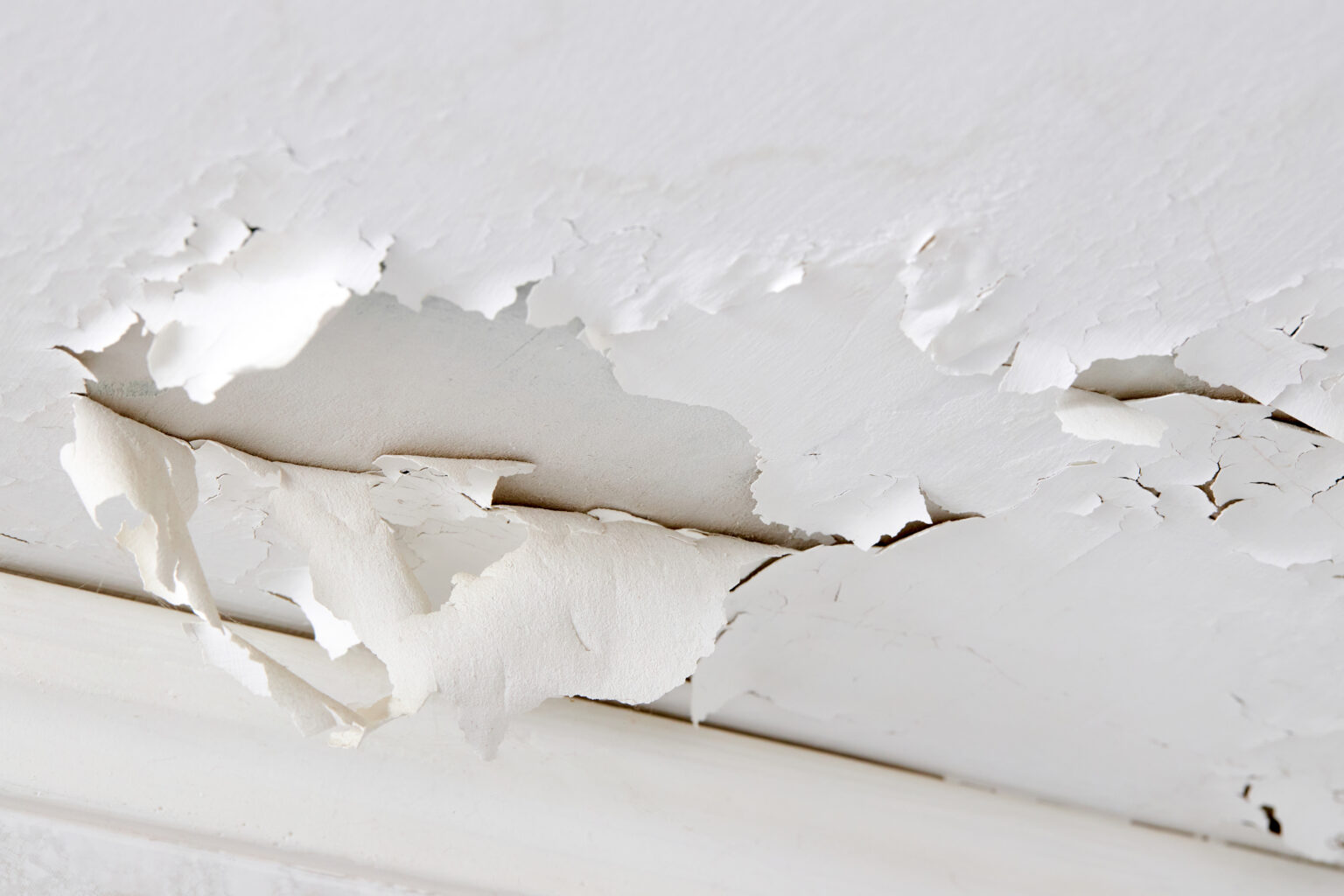
Interior water damage is often delayed. A storm can create an opening or weakness that does not leak immediately under normal conditions. Then a later rain event reveals staining, damp insulation, warped materials, or mold-related concerns. By that point, the owner may be dealing with a larger repair issue than the first exterior inspection suggested.
Why does hidden damage take time to show up? Because not every impact creates an instant leak or a dramatic failure. Some damage reduces the protective performance of the roof or building envelope gradually. Heat, sun exposure, wind, freeze-thaw cycles, and later rain can turn a seemingly minor hail impact into a major repair problem.
That is why a hail damage public adjuster focuses on more than what is easy to see. Disaster Adjusting helps property owners document hidden hail damage, connect delayed problems back to the storm event, and support the claim with a broader view of the property’s actual condition.
What Does the Hail Damage Insurance Claim Process Look Like?
The hail damage insurance claim process usually follows a series of steps, but the outcome often depends on how well the loss is inspected and documented along the way. A hailstorm can create visible roof and exterior damage right away, while other issues do not become clear until a closer review or later weather exposure. A strong process helps protect the claim from those gaps.
Visual timeline
Storm occurs
↓
Emergency protection
↓
Property inspection
↓
Insurance claim filed
↓
Carrier inspection
↓
Documentation
↓
Estimate review
↓
Negotiation
↓
Settlement
↓
Repairs
↓
Supplemental claims if needed
Storm occurs
The hail event causes direct impact damage to the roof, siding, windows, soft metals, HVAC equipment, or other exposed property components. Best practice is to note the date of loss and begin preserving evidence as soon as it is safe to do so.
Emergency protection
If the storm created openings, broken glass, or active leaks, temporary protection may be needed. Tarping, board-up, or water control measures can help prevent additional damage. Keep records of what was done and why.
Property inspection
A detailed property inspection is essential. The challenge is that ground-level observations may miss hidden or elevated damage. Roofing, soft metals, gutters, siding, windows, and rooftop equipment should all be evaluated carefully.
Insurance claim filed
The claim is reported to the insurance carrier. The best practice here is accuracy and consistency in how the loss is described, without guessing at the full scope before the property has been properly inspected.
Carrier inspection
The insurance company sends its own representative to inspect the damage. Common challenges include limited scope, missed elevations, overlooked soft metal evidence, or disagreement over repair versus replacement.
Documentation
This is where the claim becomes stronger. Photos, measurements, notes, impact evidence, contractor findings, and condition details should be organized clearly. Good storm damage documentation helps support the real scope of loss.
Estimate review
The estimate should be reviewed carefully for omitted items, low quantities, incomplete pricing, or missing components such as gutters, downspouts, flashing, underlayment, code items, or interior damage tied to the hail event.
Negotiation
If the estimate does not match the documented storm damage, the claim may require negotiation. The best approach is a detailed, supportable presentation of what was missed and why it belongs in the claim.
Settlement
A payment is issued based on the covered damage recognized at that stage of the claim. Property owners should understand what the settlement includes and what may still need review.
Repairs
As repairs begin, contractors may discover additional hail-related issues, moisture intrusion, decking problems, or other damage not visible during earlier inspections.
Supplemental claims if needed
If new covered damage is uncovered, a supplemental claim may be necessary. This step is common in hail losses where hidden damage becomes clear later.
Disaster Adjusting helps policyholders through each stage by reviewing the policy, documenting hail damage thoroughly, evaluating estimates, and supporting supplemental claims when the original scope falls short. A well-managed hail claim is not just about getting a check. It is about making sure the settlement reflects what the property actually needs.
What Is Included in a Hail Damage Insurance Claim?
A hail damage insurance claim can include much more than visible roof impacts. Depending on the storm and the policy, the claim may involve exterior building components, water-related interior damage, temporary protection, code-related costs, and professional support needed to evaluate the loss properly. A complete claim should reflect what it actually takes to inspect, repair, or replace the damaged property after the storm.
A hail claim may include:
– Roof replacement
If the roof has widespread hail impact, reduced service life, functional damage, or repair limitations, full replacement may become part of the claim.
– Roof repairs
In some cases, the damage may support partial repairs rather than full replacement, especially when the affected area is limited and the system can still be restored properly.
– Siding
Hail can crack, chip, dent, or break siding materials. Matching issues and elevation-specific damage may also affect the repair approach.
– Windows
Claims may include broken glass, damaged frames, failed seals, flashing-related issues, or water entry around the openings.
– Gutters
Gutters, downspouts, and related drainage components may be dented, punctured, loosened, or otherwise impaired by hail.
– HVAC units
Exterior condensers and rooftop equipment may suffer fin damage, impact dents, or performance-related issues that support inspection, repair, or replacement.
– Exterior finishes
Paint systems, trim, shutters, fascia, soffits, skylights, and other exposed finishes can be part of the scope of loss.
– Interior water damage
If the storm caused openings or accelerated failure in the roof or exterior envelope, the claim may include ceiling damage, stained drywall, wet insulation, flooring damage, or other interior effects.
– Temporary repairs
Tarping, emergency sealing, board-up, leak control, and other protective measures may be necessary to prevent additional damage.
– Debris removal
Damaged building materials, broken exterior components, and cleanup-related debris may need to be removed as part of the repair process.
– Code upgrades
If local building requirements increase the cost of repair or replacement, those added costs may need to be reviewed under the policy.
– Engineering reports and professional inspections
Some claims require specialized evaluation to determine storm-related damage, system integrity, or repair feasibility.
– Additional structures
Detached garages, sheds, barns, covered patios, and other insured structures may also be part of the claim.
Many property owners assume the hail claim begins and ends with the roof. In reality, a well-prepared claim considers all affected systems, any resulting interior damage, and the professional work needed to support the scope. Disaster Adjusting helps review hail damage claims in a more complete way so policyholders are not left relying on a narrow estimate that misses key parts of the loss.
Why Is Hail Damage Frequently Missed During the First Inspection?
Hail damage is frequently missed because not every impact leaves obvious, easy-to-spot evidence. Some damage is subtle, some is located in hard-to-access areas, and some only becomes meaningful when viewed in the context of the full roofing or building system. That is why a quick inspection or a ground-level review can leave important items out of the claim.
Initial inspections may overlook:
– High roofs
Tall buildings and multi-story homes can limit visibility and make impact patterns harder to assess without a close, roof-level inspection.
– Steep slopes
Steep roofing surfaces can be difficult to access safely, which may lead to incomplete evaluation of the most exposed areas.
– Soft metal impacts
Vents, flashing, gutters, downspouts, ridge caps, and other soft metals often show clear hail strikes, but they can be missed if the inspection is rushed or too narrowly focused.
– Window seals
Seal damage may not be obvious on the day of the inspection. Fogging, drafts, or moisture between panes can develop later.
– Underlayment
Damage beneath the outer roofing material cannot always be seen without a more detailed review, especially when shingles appear only lightly affected from above.
– Flashing
Flashing around chimneys, walls, skylights, and penetrations may bend, separate, or lose effectiveness after impact, even without dramatic visual breaks.
– Hidden moisture
Hail can create vulnerabilities that allow water intrusion later, especially during subsequent rain events. Early inspections may not catch the moisture pathway.
– Attic damage
Wet insulation, staining, ventilation issues, and decking-related concerns often begin in attic spaces that are not always inspected thoroughly.
– Ventilation components
Roof vents, turbines, louvers, attic intake areas, and related ventilation components may sustain damage that affects moisture control and roof performance.
– Exterior mechanical systems
HVAC units, condensers, rooftop equipment, and other exposed systems can suffer hail impacts that are not visible from the ground or not fully evaluated during a basic storm inspection.
Another reason hail damage is missed is that some impacts do not cause immediate failure. A roof may still shed water for a period of time even after hail has bruised shingles, displaced granules, or weakened protective components. Later weather, sun exposure, and temperature changes can then turn that hidden damage into leaks or premature roof deterioration.
Disaster Adjusting helps property owners look beyond the obvious and document the kinds of hail damage that are often missed during an initial inspection. That broader review can be critical when the first estimate feels too low or the carrier’s inspection does not reflect what the property actually experienced.
How Do Residential Hail Damage Claims Affect More Than the Main Roof?
Residential hail damage claims often involve much more than the main house roof. A severe storm can affect multiple structures, outdoor features, exterior finishes, and even personal property if water intrusion follows. For homeowners, the challenge is making sure the claim reflects the full property, not just the most visible damage on the main dwelling.
A residential hail damage claim may involve:
– Roof systems
The main roof is usually the first concern, but the inspection should also consider valleys, ridges, flashing, vents, skylights, and the broader roofing system rather than isolated shingle impacts alone.
– Detached garages
Detached garages, workshops, and similar structures often have their own roofing, siding, doors, gutters, and exterior finishes that need separate review.
– Fences
Wood, vinyl, composite, and metal fencing can be cracked, chipped, dented, or loosened by hail and wind.
– Storage buildings
Sheds, utility structures, and outdoor storage buildings may sustain roof and siding damage that should be included if they are insured structures under the policy.
– Pools
Pool equipment, covers, enclosures, and nearby exterior components may be affected by hail depending on the setup and the policy.
– Outdoor kitchens
Built-in grills, counters, cabinetry, coverings, lighting, and utility-connected outdoor kitchen components may be exposed during a storm and need inspection.
– Landscaping considerations
Landscaping is often treated differently than building components under insurance policies, but damage to certain exterior features, tree-related impacts, or storm-caused debris issues may still matter in the overall claim picture.
– Personal property affected by resulting water intrusion
If hail damage leads to roof leaks or building envelope failure, water may affect furniture, electronics, clothing, stored items, or other personal property inside the home.
One of the biggest problems in residential hail claims is that the focus stays too narrowly on what can be seen from the street. A homeowner may get an estimate for a portion of the roof while detached structures, drainage components, windows, siding, and leak-related interior damage are barely addressed. By the time additional issues show up, repairs may already be underway and the claim may need to be reopened or supplemented.
Disaster Adjusting helps homeowners evaluate the broader impact of the storm across the full residential property. That includes the main roof, accessory structures, exterior systems, and resulting interior damage where water intrusion has affected the home or personal property. A complete residential hail damage claim should reflect how the storm affected the property as a whole.
What Makes Commercial Hail Damage Claims More Complex?
Commercial hail damage claims are often more complex because the storm can affect the roof system, building envelope, mechanical equipment, tenant spaces, and business operations at the same time. A commercial property owner may be dealing with active leaks, safety concerns, interrupted tenant use, and repair decisions across a larger and more technical property than a typical home. That is why a commercial hail damage claim needs a broader and more detailed review.
Common commercial hail claim issues include:
– Flat roofs
Flat and low-slope roofing systems may show punctures, membrane damage, displaced surfacing, seam issues, drainage problems, or impact to rooftop accessories. Some damage is subtle at first and may not become obvious until water intrusion begins.
– Metal roofs
Metal roof systems can show dents, seam issues, coating damage, flashing impacts, and fastener-related problems. The key question is often whether the damage is purely cosmetic or affects system performance, service life, or watertight integrity.
– Mechanical equipment and HVAC
Rooftop units, condensers, fins, housings, and exposed components can be damaged by hail. Mechanical impacts may not fully show up until performance drops, repairs are attempted, or equipment is opened and evaluated more closely.
– Inventory exposure
If the storm leads to roof leaks or building envelope failure, stored goods, finished products, paper files, equipment, or materials inside the building may be exposed to moisture and contamination.
– Business interruption
Commercial losses may affect revenue, customer access, production schedules, tenant occupancy, or normal operations while the property is being inspected and repaired.
– Tenant improvements
In leased spaces, hail-related leaks or envelope damage can affect ceilings, walls, flooring, fixtures, and custom improvements paid for by the tenant or required under the lease.
Commercial hail damage claims also commonly involve:
– Warehouse facilities with large roof areas and stored inventory
– Retail operations with customer-facing damage and access concerns
– Manufacturing facilities with production downtime and equipment exposure
– Office buildings with multiple suites, rooftop equipment, and tenant coordination issues
The challenge with many commercial hail claims is that the loss does not stay isolated to the roof. Once the roof system is compromised, the effects can spread into occupied space, equipment, inventory, and operations. Large properties may also have multiple roof sections, varying materials, and hidden storm damage that is not captured in a quick inspection.
Disaster Adjusting helps commercial property owners document hail damage across the full property, review policy language, evaluate estimates, and support a claim that reflects the building and business impact of the storm. A complete commercial hail claim should account for the roof, the systems below it, and the operational consequences that follow.
How Do Wind and Hail Damage Work Together in the Same Storm?
Many storm damage claims involve both wind and hail, and together they can create more extensive losses than either peril alone. Wind and hail do not affect a property in the same way, but they often combine to weaken roofing systems, expose vulnerable materials, and accelerate water intrusion. When that combined damage is not evaluated carefully, the insurance claim may miss part of the real storm impact.
Wind often lifts, creases, loosens, or unseals roofing materials. Shingles may lose adhesion, flashing may shift, and exposed edges or penetrations may become more vulnerable. Once those materials are lifted or weakened, hail can strike the newly exposed or less protected surfaces with greater force. The result may be a roof system that has both impact damage and storm-created openings.
Hail typically damages exposed surfaces through direct impact. That can include:
– Bruised or fractured shingles
– Granule loss
– Dented soft metals
– Cracked siding or exterior components
– Window or skylight damage
– Impact to HVAC units and rooftop equipment
When wind and hail happen together, the combined effect may include:
– Lifted shingles that are then bruised or fractured by hail
– Exposed underlayment that becomes vulnerable to moisture
– Flashing and roof accessories that are both displaced and dented
– Openings that allow water to enter the attic or interior
– Broader exterior damage across roofing, siding, gutters, and windows
This matters because a storm claim should not force the damage into only one category if the evidence shows both perils were involved. A roof may fail sooner not just because of hail impact, but because wind first weakened the system and hail then compounded the problem. The same is true for siding, windows, and rooftop mechanical equipment that were already stressed by the storm environment before the hail hit.
Another challenge is that wind and hail damage can create delayed issues. A roof may not leak during the first rain after the storm, but weakened seals, displaced flashing, and impact damage can lead to water intrusion later. That delayed failure does not necessarily make the storm damage any less real.
Disaster Adjusting helps property owners document both wind and hail damage as part of the same storm damage insurance claim when the facts support it. Looking at the combined effect often leads to a more accurate scope of loss and a clearer explanation of why the property needs more than a narrow, surface-level repair.
Why Do Hail Insurance Claims Become Underpaid?
Hail insurance claims often become underpaid because the estimate does not capture the full damage or the full cost to restore the property properly. In many cases, the storm clearly happened and the claim is accepted, but the scope is too limited, the pricing is too low, or important parts of the property are left out. That can leave the owner with a settlement that does not match the actual work required.
Common reasons hail claims become underpaid include:
– Incomplete inspections
A brief or rushed inspection may focus only on the most obvious impact areas while skipping less visible elevations, accessory structures, rooftop equipment, or interior follow-up.
– Missed roof slopes
One roof slope may show more damage than another depending on storm direction and exposure. If all slopes are not inspected carefully, the claim can miss a major part of the loss.
– Undocumented soft metal damage
Dents on vents, flashing, ridge caps, gutters, downspouts, and other soft metals can provide important storm evidence. If that evidence is not documented, the claim may understate the severity of the event.
– Improper repair recommendations
Some estimates recommend limited spot repairs even when the damage pattern, material condition, or roof layout supports broader replacement.
– Missed code upgrades
Local building requirements can affect how the roof or exterior must be repaired. If code-related costs are not addressed, the estimate may be too low.
– Insufficient pricing
Even when the scope is mostly correct, pricing can fall short of what labor, materials, access, waste handling, and project conditions actually require.
– Interior damages not included
If hail or combined wind and hail damage leads to leaks, the claim may need to include ceilings, drywall, insulation, flooring, paint, and other interior items.
– Missed HVAC impacts
HVAC units and other exterior mechanical systems are often overlooked or only partially evaluated, even though hail can affect performance and service life.
– Overlooked gutters and accessories
Gutters, downspouts, skylights, screens, trim, flashing, and roof accessories can add meaningful cost and should not be treated as afterthoughts.
– Incomplete scope of loss
The overall estimate may leave out detached structures, secondary roof surfaces, drainage components, professional inspections, or supplemental work discovered later.
Underpayment does not always mean the claim was denied. Often it means the first number was incomplete. That is a common issue in both residential hail damage and commercial hail damage claims, especially when the storm affected multiple systems or when hidden damage was not obvious during the first visit.
Disaster Adjusting helps property owners review the hail damage estimate, document missing items, evaluate low or incomplete repair scopes, and support supplemental claims when necessary. A well-supported claim is not just about proving hail hit the property. It is about showing what the storm actually damaged and what it will take to restore it correctly.
How Does Our Hail Claim Process Work?
Our hail claim process is designed to help property owners move from storm damage uncertainty to a well-supported insurance claim. After a hailstorm, it is easy to feel pressured to make quick decisions while still trying to understand the full condition of the property. Disaster Adjusting brings structure to that process by reviewing the policy, inspecting the damage, documenting the loss, and pursuing a claim resolution that reflects what the property actually needs.
Our hail claim process typically includes:
– Free consultation
We begin with a conversation about the storm, the condition of the property, and where the claim stands. Some clients contact us immediately after the hailstorm. Others reach out after an inspection, a low estimate, or a dispute about repair versus replacement.
– Policy review
We review the insurance policy to identify relevant coverages, deductibles, limitations, code-related issues, and claim requirements that may affect the hail damage insurance claim.
– Property inspection
We inspect the affected property to look at roofing systems, siding, windows, skylights, gutters, soft metals, HVAC equipment, and other storm-exposed components. If needed, we also consider resulting interior water damage.
– Documentation
We organize the storm damage into a clearer claim file with photos, notes, measurements, impact evidence, scope details, and supporting information tied to the loss.
– Claim preparation
A hail claim needs more than a notice to the carrier. We help prepare the claim in a way that reflects the actual condition of the property and the work required to restore it.
– Insurance meetings
We communicate with the carrier and participate in inspections and meetings so the documented damage is presented clearly and consistently.
– Estimate review
We review the available estimate for missing items, low pricing, incomplete scope, overlooked accessories, code concerns, and repair recommendations that do not match the property condition.
– Negotiation
When the initial estimate falls short, we work through the supporting documentation and claim details needed to pursue a more accurate settlement.
– Claim resolution
The goal is a settlement that accounts for the full covered storm damage. If more damage is discovered later, supplemental support may still be needed.
No two hail claims are exactly alike. Some involve straightforward roof damage. Others include siding, windows, HVAC impacts, detached structures, water intrusion, or commercial operations concerns. Disaster Adjusting helps residential and commercial policyholders manage that complexity with a more complete and disciplined approach to the claim process.
Hail Damage Insurance Claim FAQs
What should I do after a hailstorm?
Start with safety, then inspect for obvious issues from the ground if it is safe to do so, protect the property from further damage if needed, document what you can, and report the loss when appropriate.
How do I know if my roof has hail damage?
Signs may include bruised shingles, granule loss, cracked materials, dents on roof accessories, or leaks that appear later. Some hail damage is not obvious without a closer inspection.
Can hail damage cause leaks months later?
Yes. Hidden hail damage can weaken roofing materials or related components, and leaks may not show up until later rain events or weather cycles expose the failure.
Will insurance pay for a new roof after hail damage?
It may, depending on the policy, the age and condition of the roof, the extent of the storm damage, and whether repair is practical or sufficient.
How long do I have to file a hail claim?
That depends on the policy language and state-specific rules. The best approach is to review your policy and act promptly once damage is suspected.
Does homeowners insurance cover hail damage?
Many homeowners policies do cover hail, but the scope of coverage, deductibles, and exclusions vary by policy.
Can hail damage windows?
Yes. Hail can crack glass, damage frames, affect seals, and create water intrusion issues.
Can hail damage HVAC equipment?
Yes. Hail can dent housings, damage fins, affect exposed components, and reduce system efficiency or lifespan.
Should I repair my roof before filing a claim?
You should take reasonable temporary steps to protect the property from further damage, but major permanent repairs should usually wait until the damage is documented and the claim process is clearer.
What if my insurance company says there is not enough damage?
A second, more detailed review may be necessary. Some damage is missed in early inspections, especially on high roofs, soft metals, or hidden components.
Can I reopen a hail claim?
In some situations, yes. If additional covered damage is discovered later or the original scope was incomplete, there may be options to supplement or revisit the claim.
How long does a hail claim take?
The timeline varies based on the size of the loss, the responsiveness of the carrier, the complexity of the damage, and whether disputes or supplements arise.
Does insurance cover siding damage from hail?
It often can, if the siding was physically damaged by the storm and the policy supports that part of the loss.
Does insurance pay for gutters and downspouts?
It may. Gutters and downspouts are common hail damage items and should be included when they are dented, punctured, loosened, or otherwise impaired.
Can hail damage solar panels?
Yes. Hail can crack surfaces, create microfractures, and affect panel output or long-term performance.
What does a public adjuster do after hail damage?
A public adjuster reviews the policy, inspects the property, documents the damage, prepares claim support, reviews estimates, and negotiates on behalf of the policyholder.
Should I hire a public adjuster after a hailstorm?
It can make sense when the damage is significant, the estimate feels low, the scope is disputed, or the claim process is becoming difficult to manage on your own.
Can hail damage only one side of a property?
Yes. Storm direction, wind, roof shape, and surrounding conditions can create heavier impact on certain slopes or elevations than others.
What is soft metal damage in a hail claim?
Soft metal damage refers to hail impacts on components such as vents, flashing, gutters, downspouts, and roof accessories. It often helps confirm storm severity and exposure.
Can hail damage underlayment even if shingles still look okay?
Yes. The outer roofing surface may not tell the full story. Hidden damage below the visible layer can still affect roof performance.
Can hail damage attic insulation?
Indirectly, yes. If the storm compromises the roof and allows moisture in, insulation can become wet, compressed, or less effective.
What if I already received a payment but it is not enough?
That may indicate an incomplete estimate or a need for supplemental documentation. Receiving a payment does not always mean the claim is fully resolved.
Does insurance cover interior water damage caused by hail?
It may, if the water intrusion resulted from covered storm damage to the roof or building envelope.
Can hail damage detached garages or sheds?
Yes. Detached structures can be part of the claim if they are insured under the policy and were damaged by the storm.
What if my roof is steep or hard to inspect?
That is one reason hail damage can be missed. A difficult roof should still be evaluated carefully so the claim reflects the full storm impact.
Does hail damage always look obvious from the ground?
No. Some of the most important damage is subtle, elevated, or hidden beneath the outer surface.
Can commercial roofs suffer hail damage without immediate leaks?
Yes. Flat roofs, low-slope systems, and metal roofing can be compromised without instant interior symptoms, especially when the damage affects surface integrity or drainage.
What is a supplemental hail claim?
A supplemental claim is a request for added payment after new covered damage, missing scope items, or additional repair needs are discovered after the initial estimate.
Will insurance pay for professional inspections or reports?
In some cases, specialized inspections or reports become important parts of understanding the scope of loss and may factor into the claim depending on the circumstances.
Do wind and hail often happen together?
Yes. Many storm claims involve both, and the combined effect can create more extensive damage than either peril alone.
Get Help With Your Hail Damage Insurance Claim
Hail damage claims can look simple from the outside and still become complicated very quickly. A roof may show only limited visible impact at first, yet the storm may have affected siding, soft metals, windows, gutters, HVAC equipment, detached structures, or interior areas exposed by hidden moisture intrusion. For commercial properties, the claim may also involve tenant improvements, rooftop systems, operational disruption, and broader building concerns. That is why a complete claim requires more than a quick inspection and a basic estimate.
Disaster Adjusting works for policyholders, not the insurance company. We bring decades of experience in property insurance claims, detailed storm damage documentation, policy review, estimate analysis, and claim negotiation. Our goal is to help homeowners and commercial property owners present a stronger, more complete hail damage insurance claim from the beginning or step in when the original scope falls short.
Whether you are dealing with residential hail damage, commercial hail damage, roof hail damage insurance questions, or a broader storm damage insurance claim involving wind and hail together, we are here to help you understand what your claim should include and how to move it forward. We assist with inspections, documentation, estimate review, negotiations, and supplemental claim support when more damage is discovered later.
If your home, building, or business was affected by hail, call Disaster Adjusting at (888) 675-0911 to discuss your situation. If you prefer to reach out online, visit our contact us page to request a consultation with Disaster Adjusting. When the storm has already done the damage, the next step is making sure your claim reflects it properly.