
Roofing & Exterior
Roof & Exterior Assessment Services for Insurance Documentation and Property Protection
If you need clear answers about your roof, exterior condition, or property damage, Disaster Adjusting can help with detailed roof and exterior assessment services built for both pre-loss planning and post-loss claim support. These services are designed to document the condition of your property, identify visible damage, flag areas that may need closer investigation, and create stronger support for insurance claims, repair decisions, and long-term property management.
A roof and exterior assessment is more than a quick walkthrough. It is a structured inspection of the property’s exposed systems and materials, supported by detailed documentation, photographs, and when appropriate, drone inspection technology. For some clients, the goal is to document damage after hail, wind, water, or fire-related events. For others, the goal is to create a pre-loss record of the property’s condition before a claim ever happens. In both situations, strong documentation can make a major difference.
This service is especially useful for:
– Homeowners who want a better understanding of roof or exterior damage
– Commercial property owners managing larger or more complex structures
– Property managers and facility managers responsible for ongoing building condition
– HOAs coordinating inspections across multiple buildings
– Contractors and consultants who need better documentation support
– Businesses that want pre-loss property documentation before a future claim
Common problems we help solve include:
– Roof or exterior damage that is missed during a basic inspection
– Unclear property condition before or after a storm event
– Limited insurance documentation that weakens the claim
– Difficulty proving whether damage is new or pre-existing
– Large or steep roof areas that are hard to inspect safely
– The need for dated photographs, drone imagery, and condition reporting
Why choose Disaster Adjusting? We combine roof and exterior inspection support with insurance claim experience, detailed documentation methods, and pre-loss planning insight. We work with residential and commercial property owners and bring decades of experience in property insurance claims and documentation. If you want a clearer record of your property condition and a stronger foundation for repair planning or a future claim, call Disaster Adjusting at (888) 675-0911 to request an inspection.


What Is a Roof & Exterior Property Assessment?
A roof and exterior property assessment is a detailed inspection of the building’s outer systems and components to document condition, identify visible damage, and support better decision-making before or after a loss. It is used to create a clearer record of what the property looks like, what may be damaged, and what evidence is available to support repairs, maintenance planning, or an insurance claim.
The purpose of a comprehensive exterior inspection is to move beyond a simple glance at the property. A basic visual inspection may notice obvious damage, such as missing shingles, cracked siding, dented gutters, or broken windows. A detailed property damage assessment goes further by examining multiple exterior systems, documenting findings with dated photos, reviewing anomaly areas, and organizing the information in a way that is useful for claims and planning.
This matters because many property issues are misunderstood or poorly documented at the start. A quick inspection may miss:
– Elevated or hard-to-access roof areas
– Hidden signs of storm impact on exterior materials
– Damage patterns across multiple elevations
– Conditions that matter for repair scope and insurance documentation
– Evidence needed to show whether damage is new or pre-existing
Documentation is important both before and after a property loss. Before a loss, pre-loss property documentation creates a dated record of the roof and exterior condition. That can be valuable if there is later disagreement about whether storm damage, water intrusion, or another event caused new damage. After a loss, a detailed assessment helps support the insurance claim by showing what was affected, how it appears, and what areas may need closer review.
These assessments also support long-term property management. Owners, managers, and boards often need a reliable condition record for maintenance planning, capital improvement decisions, contractor coordination, and risk management. A well-documented inspection helps create that record.
In practical terms, a roof and exterior property assessment helps answer important questions:
– What is the current condition of the property?
– Is there visible damage that needs attention?
– Do the findings support a claim, repair plan, or reinspection?
– Is there a dated record that can help establish what changed over time?
Disaster Adjusting provides these assessments as both a damage documentation service and a property condition resource. That makes the inspection useful whether you are responding to a recent event or trying to protect yourself before one happens.
What We Inspect
Roofing systems
We inspect the overall roof system to document condition, visible damage, material changes, and exposed problem areas. This includes the layout, surface condition, penetrations, transitions, and any signs that the roof may have been affected by storm events, water intrusion, or aging conditions. Roof documentation is one of the most important parts of an insurance-related property assessment because roof damage often drives both the scope and the value of a claim.
Shingles, metal roofing, and flat roofing
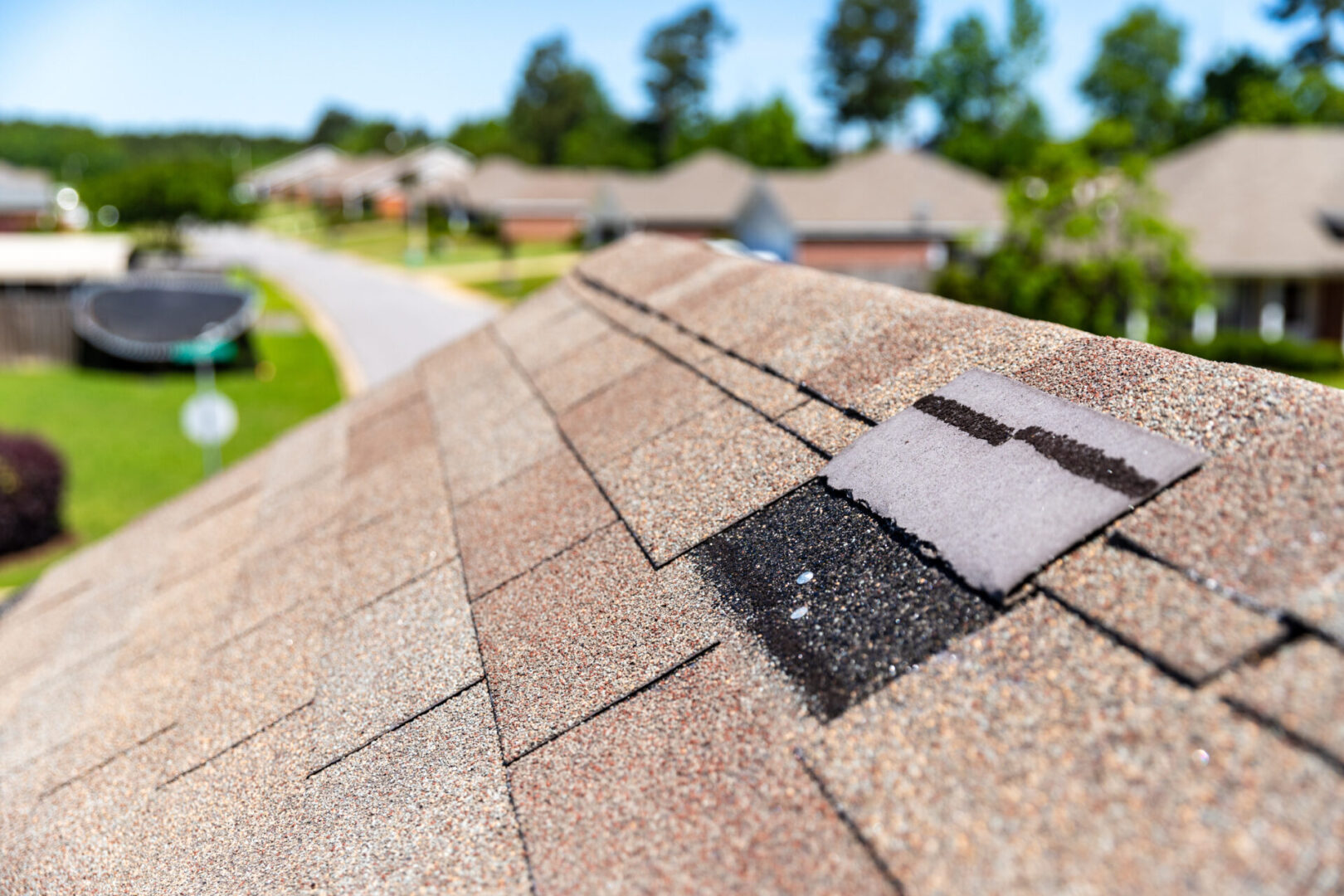
Different roof materials fail in different ways, so they need to be assessed accordingly. Shingle roofs may show missing tabs, lifted areas, impact marks, granule loss, or creasing. Metal roofing may show dents, seam concerns, fastener issues, and flashing-related damage. Flat roofing may show punctures, membrane irregularities, ponding-related wear, seam concerns, or leak-prone transitions. Each roofing type matters because insurance documentation must match the actual system on the property.
Siding, windows, doors, and trim
Exterior wall systems are inspected for cracking, lifting, punctures, impact marks, seal failure, moisture entry points, and storm-related displacement. Windows and doors are important because even small failures in frames, seals, or surrounding trim can allow water intrusion or support a broader storm damage claim. Trim, moldings, and related finish materials are also documented because they can provide visible evidence of impact or water-related change.
Gutters, downspouts, flashing, and skylights
These transition and drainage components are critical in both damage assessment and leak investigation. We inspect gutters and downspouts for dents, separation, drainage issues, and attachment failure. Flashing is reviewed because it often becomes a key entry point for water after wind or storm damage. Skylights are inspected for cracking, seal failure, flashing issues, and surrounding roof distress.
Solar panels, HVAC equipment, chimneys, and exterior mechanical systems
These components are often exposed and vulnerable during severe weather events. We inspect rooftop and exterior-mounted equipment for impact, movement, attachment concerns, surface damage, and related conditions that may affect function or claim scope. Chimneys and roof penetrations are also documented because they can play a major role in water entry or visible structural concerns.
Fencing, detached structures, and landscaping affected by insured events
Detached garages, sheds, carports, fences, gates, and similar structures are inspected because they are often overlooked in basic claim documentation. Landscaping is also relevant when insured events such as wind, tree impact, or debris scatter affect the property and support a broader loss picture. These components matter because a complete property damage assessment should reflect the full affected site, not just the main building.
Across all categories, the goal is the same: inspect carefully, document clearly, and create a usable record that supports claim preparation, repair planning, and property condition awareness.
How Do Drone Roof & Exterior Inspections Improve Property Assessments?
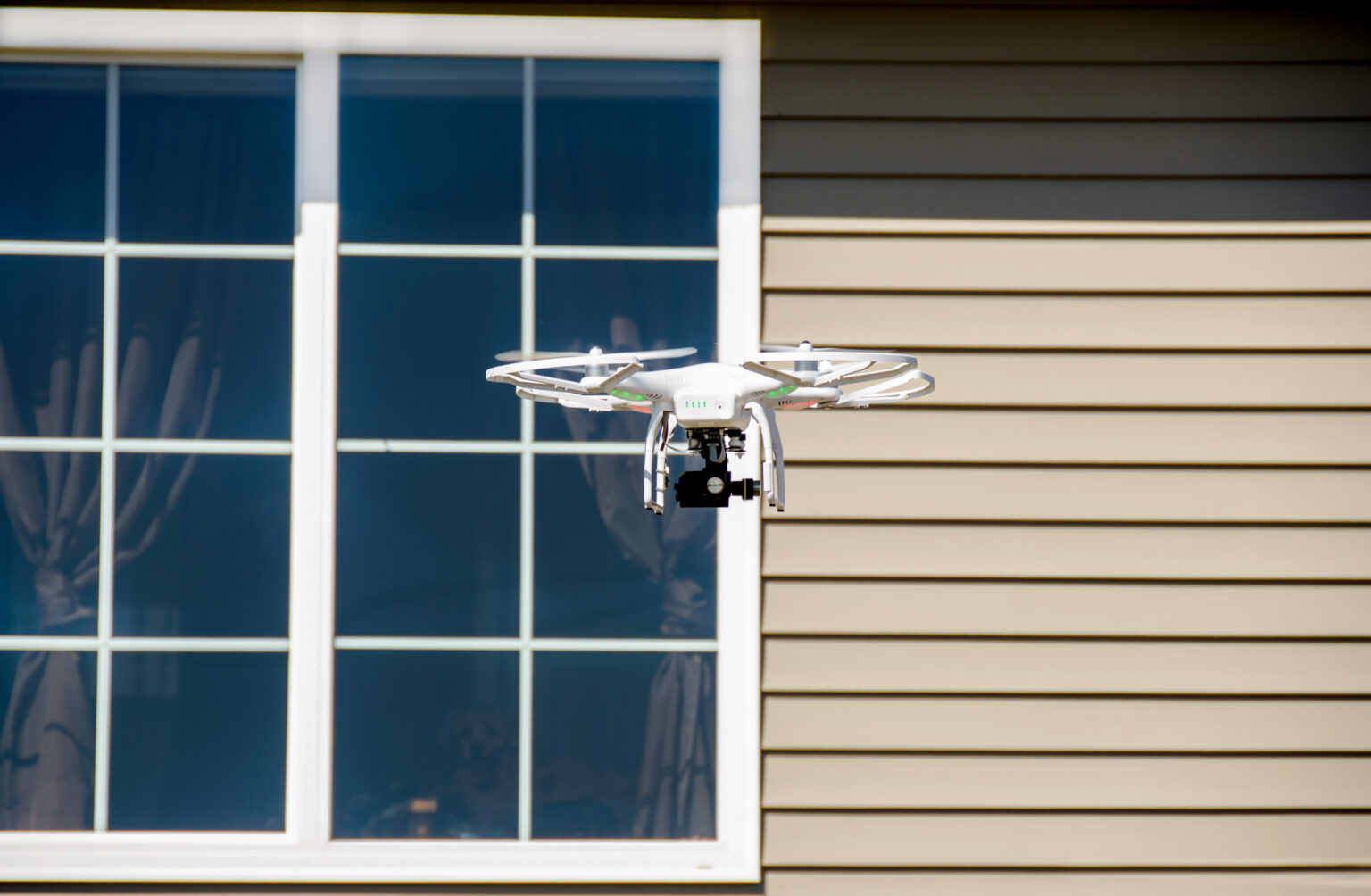
Drone roof and exterior inspections improve property assessments by making it easier to inspect large, elevated, or hard-to-access areas safely while creating stronger visual documentation. For many residential and commercial properties, the roof and upper exterior elevations contain some of the most important evidence of storm damage, wear, impact, or water entry. Drone technology helps capture that evidence more efficiently and with less risk than relying only on traditional access methods.
Key benefits of drone inspections include:
– Safer inspections
Drone inspections reduce the need for repeated foot traffic on steep, fragile, or difficult-to-access roof sections. That can improve safety for both inspectors and the property itself.
– High-resolution photography
Detailed aerial images help document roof surfaces, flashing areas, gutters, penetrations, siding elevations, windows, rooftop equipment, and other exterior elements with strong visual clarity.
– Large property surveys
Bigger buildings and multi-structure properties can be reviewed more efficiently from the air. This is especially useful when the goal is to understand the broader condition of the roof and exterior, not just one limited section.
– Hard-to-access roofs
Some roofs are steep, high, obstructed, or simply difficult to evaluate thoroughly from ladders or ground views alone. Drone imagery helps close that gap.
– Commercial buildings
Commercial properties often have wide roof footprints, multiple elevations, rooftop mechanical systems, and complex exterior conditions. Drone inspection helps support a more complete overview of those features.
– Storm documentation
After hail, wind, tornado, or water-related events, drone imagery can help capture the visible condition of the property quickly and clearly while evidence is still fresh.
– Damage identification
Drones help identify visible anomalies such as missing shingles, displaced materials, punctures, dented soft metals, broken openings, drainage concerns, and impact areas that may deserve closer review.
– Supporting insurance documentation
Good claim documentation depends on clear evidence. Drone photography can help show the condition of the property in a way that supports damage discussions, estimate review, and reinspection requests.
Disaster Adjusting’s existing site specifically notes that drone inspections are useful for initially surveying the property for anomalies on the roof and exterior and for detecting visible damage to windows, siding, trim, mechanicals, mortar joints, and other exterior building materials without causing additional damage to the property. That makes drone inspections especially valuable when documentation quality matters as much as the inspection itself.
For property owners and managers, the value of drone inspection is not just convenience. It is the ability to create a clearer, broader, and more useful record of the roof and exterior condition before or after a loss.

What Exterior Damage Is Often Missed During Inspections?
Exterior damage is often missed when the inspection is too quick, too limited, or too focused on only the most obvious visible problems. Many claim and repair issues come from details that seem minor at first but later prove important to the condition of the roof, the building envelope, or the scope of the insurance settlement. When those details are missed, the result can be larger repair costs, recurring problems, or an incomplete claim.
Commonly overlooked exterior damage includes:
– Lifted shingles
Shingles may lift during wind events and settle back down later, making the roof look better than it really is. Broken seals and reduced wind resistance may remain hidden.
– Granule loss
Granule loss can shorten roof life and indicate storm-related impact or accelerated surface wear, yet it is easy to underestimate if the inspection focuses only on major tears or missing materials.
Dents on vents, flashing, gutters, downspouts, and other soft metals often provide important storm evidence. If they are not documented, the severity or timing of the damage may be harder to show.
– Window seal failures
A window may not be visibly broken, yet the seal or frame may have been affected by impact, movement, or pressure changes. Later fogging, drafts, or moisture issues can follow.
– Flashing damage
Flashing at walls, chimneys, skylights, and penetrations is a common failure point after storms. Small distortions or displacement may allow water intrusion long before a major leak is noticed.
– Roof penetrations
Vents, pipes, equipment curbs, skylights, and similar penetrations can be subtle entry points for water and are often missed during broad roof reviews.
– Siding movement
Siding may shift, crack, loosen, or separate in ways that are easy to overlook from a distance. Those openings can allow moisture behind the wall system.
– Water intrusion points
The most important leak path is not always the most visible one. Small opening failures around trim, flashing, joints, or transitions can create major interior problems later.
– Hidden structural concerns
Exterior conditions can point to broader movement or stress in the building system, especially after severe wind, impact, or water events.
– Mechanical equipment damage
Exterior HVAC units, rooftop equipment, and related components may be impacted by debris, hail, or moisture, even when they still appear operational.
Overlooked damage matters because insurance settlements are driven by documentation. If the assessment misses lifted roofing, flashing problems, or secondary water entry points, the estimate may be too low to fix the property properly. That can leave the owner paying for additional repairs later or fighting to reopen a claim once more damage becomes obvious.
Disaster Adjusting helps property owners document the kinds of exterior damage that are often skipped during surface-level inspections so the repair scope and claim file better reflect the actual condition of the property.
How Do Roof & Exterior Assessments Support Insurance Claims?
Roof and exterior assessments support insurance claims by turning property conditions into clear, organized documentation that can be used to explain the loss more accurately. Insurance claims are often decided by what was documented, how well the damage was described, and whether the scope of loss matches the actual condition of the property. A detailed assessment helps strengthen each of those points.
These assessments support claims by:
– Property documentation
A good inspection creates a visual and written record of the roof and exterior condition. That can help establish what damage exists now and, in pre-loss situations, what the property looked like before an event occurred.
– Scope of loss development
A complete claim depends on a complete scope. Roof and exterior assessments help identify the building components involved and whether the damage appears limited or more widespread.
– Supporting repair estimates
Estimates are stronger when they are based on documented field conditions rather than assumptions. Assessment findings help explain why certain repairs, replacements, or related work should be included.
– Documenting hidden damage
Some important issues are not obvious from the street or from a quick walkthrough. Elevated views, detailed photography, and closer exterior review can help bring hidden damage into the claim discussion.
– Supporting supplemental claims
If additional roof or exterior damage is found after the original estimate, the assessment record can help show why the claim needs to be expanded or revised.
– Providing objective evidence
Dated photographs, drone imagery, close-up damage records, and condition notes help move the conversation away from opinion and toward evidence.
– Improving claim accuracy
When the roof, siding, gutters, windows, flashing, mechanicals, and detached structures are all reviewed carefully, the claim is less likely to be based on an incomplete picture.
This matters because many insurance disputes begin with a bad or rushed property loss assessment. If the first inspection misses roof damage, exterior water entry points, or supporting storm evidence, the estimate may not reflect what it actually takes to restore the property. Disaster Adjusting’s broader inspection and documentation approach helps reduce that risk by creating a stronger factual foundation for the claim.
In practical terms, a roof and exterior assessment helps owners, contractors, and claim professionals speak from the same documented record. That can improve reinspection requests, estimate comparisons, claim negotiations, and supplemental discussions. When the property condition is documented clearly, it becomes easier to pursue a settlement that reflects the real loss rather than a limited first impression.
Why Are Pre-Loss Property Inspections So Important?
Pre-loss property inspections are important because they create a dated record of the property’s condition before damage occurs. When an insurance claim happens later, one of the most common disputes is whether the damage was caused by the event being claimed or whether it existed beforehand. A pre-loss inspection helps reduce that uncertainty by documenting the condition of the roof, exterior, and in some cases key interior areas before the loss.
This kind of documentation can simplify future insurance claims by:
– Creating before-loss evidence of property condition
– Reducing arguments about pre-existing damage
– Helping identify what changed after a storm, leak, or fire-related event
– Supporting faster and more accurate claim documentation
– Improving long-term property management and maintenance planning
The value is especially strong for larger or more complex properties.
Commercial properties
A pre-loss inspection helps document large roof areas, exterior elevations, mechanical systems, and building conditions that might otherwise become difficult to prove after a claim.
HOAs
For homeowner associations, pre-loss documentation can create a more organized baseline across multiple buildings, common areas, and shared exterior systems. That can be especially useful after hail, wind, or water-related losses affecting more than one structure.
Apartment complexes
Apartment properties often involve repeated building layouts, multiple roof sections, shared systems, tenant-occupied spaces, and high documentation demands after a loss. A pre-loss record helps show what the complex looked like before the event.
Manufacturing facilities
Manufacturing properties can involve complex roof systems, equipment areas, loading zones, and exterior conditions that are hard to document accurately under claim pressure after a disaster.
Office buildings
Office properties benefit from a documented condition record for roofs, elevations, windows, trim, and other exterior systems that may later become part of a storm or water claim.
Retail buildings
Retail properties often need quick decisions after a loss. Pre-loss documentation can help clarify what was already present and what changed after the event, which can support faster claim review.
Residential homes
Homeowners also benefit from pre-loss documentation, especially when later damage involves the roof, siding, windows, detached structures, or interior conditions that could otherwise be disputed as long-term wear.
Disaster Adjusting’s existing site specifically emphasizes that one of the biggest challenges in an insurance property loss is proving that the damage occurred during a specific event and that pre-loss inspection can provide undeniable evidence of the prior condition of the property. That makes pre-loss assessment a practical form of risk management, not just an inspection service.
In short, pre-loss property inspections help create clarity before there is a problem. That clarity can make a future claim easier to support, easier to understand, and harder to dispute.
What Is Included in a Pre-Loss Property Assessment?
A pre-loss property assessment is meant to create a documented baseline of the property’s condition before a future loss occurs. The exact scope can vary depending on the building type and the client’s needs, but the purpose stays the same: build a clear, dated record that can be used later for claim support, condition comparison, maintenance planning, and property management.
A pre-loss property assessment may include:
– Roof documentation
The roof is one of the most important parts of pre-loss documentation because it is often central to future storm, water, or exterior damage claims. The inspection can include material type, visible condition, penetrations, transitions, and photographs of key roof areas.
– Exterior photographs
Dated exterior photos help document elevations, siding, windows, trim, gutters, flashing, doors, and site conditions at the time of inspection.
– Drone imagery
Drone inspection support can provide broader and safer documentation of roof surfaces, upper elevations, and hard-to-access exterior areas, especially on larger properties.
– 360-degree interior imaging
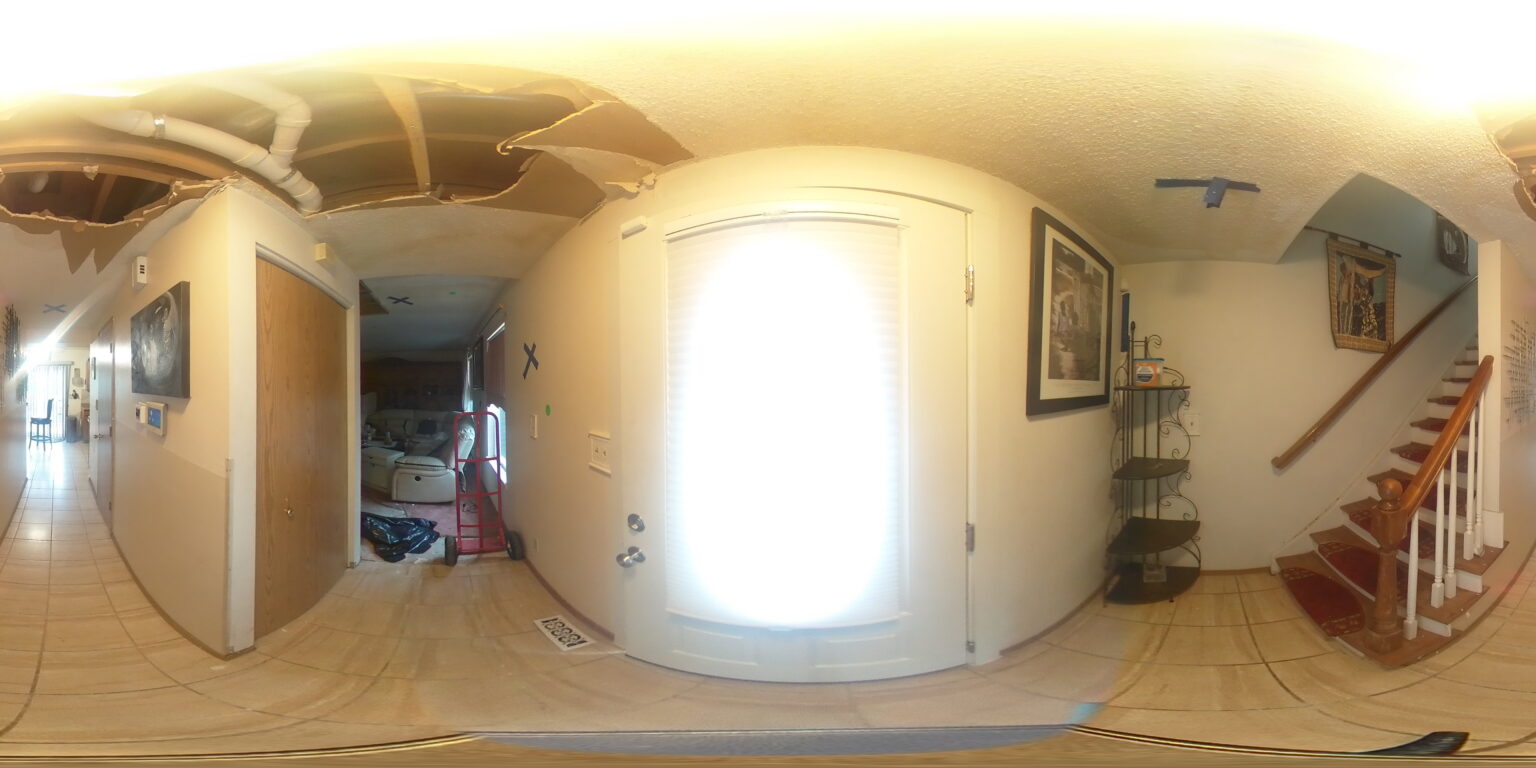
Disaster Adjusting’s site specifically notes the use of 360 cameras to capture each room and create a schematic floor plan. This provides a way to revisit the interior condition later and compare it to any claimed damage.
– Floor plans
Floor plan creation helps organize the documented spaces and provides a clearer reference point if future damage affects specific rooms or sections.
– Building condition reports
A written report may summarize visible conditions, notable concerns, and the overall inspection findings in a more structured format.
– Roof condition reports
Separate roof reporting can help document roofing material type, current condition, visible concerns, and roof-specific features important to future claim or repair questions.
– Mechanical equipment documentation
Exterior and rooftop mechanical equipment may be photographed and documented because these systems are often affected in storm and water-related losses.
– Property inventory
In some cases, broader documentation of site features, detached structures, exterior components, or key interior assets may also be useful.
– Visible maintenance conditions
Pre-loss assessments may also note visible maintenance-related conditions. This does not change coverage, but it can help property owners understand the baseline condition and reduce confusion later.
The goal is not to predict every future claim. It is to create a practical condition record that can be referenced later if a dispute arises over what changed. Disaster Adjusting helps owners create this record in a way that supports both property awareness and stronger future documentation if a covered loss occurs.
Why Should Property Owners Review Their Insurance Policy Before a Loss?
A policy review helps property owners better understand how their insurance is structured before they need to rely on it. Many owners do not fully know what endorsements, exclusions, deductibles, or valuation terms apply to their property until after a loss occurs. By that point, decisions are happening quickly, and important coverage questions can become harder to sort through under pressure.
A pre-loss insurance policy review can help explain:
– Coverage overview
This is the starting point for understanding what types of property, structures, contents, and related losses the policy is generally intended to address.
Endorsements can expand, limit, or change how the policy responds in certain situations. Owners often overlook how important these additions are until a claim brings them into focus.
– Exclusions
Exclusions matter because they identify losses or conditions the policy may not cover. Knowing where the limits are can help owners plan better and avoid assumptions.
– Deductibles
Deductible structure can affect how a claim is evaluated financially, especially in commercial policies or storm-related losses where percentage or special deductibles may apply.
– Replacement cost
Replacement cost terms are important because they affect how the insurer may value repair or replacement of damaged property.
– Actual cash value
Some portions of a claim may be handled on an actual cash value basis, which can lead to different payment expectations than replacement cost coverage.
– Special endorsements
Additional coverage provisions or limitations may apply to water backup, code-related issues, equipment, business interruption, or other claim categories depending on the policy.
– Commercial policy considerations
Commercial property policies are often more complex and may involve building coverage, business personal property, income-related provisions, extra expense issues, special deductibles, and endorsements that significantly affect the claim.
Disaster Adjusting’s existing site states that reviewing insurance coverage prior to a claim is very important and that many insureds do not know what endorsements, exclusions, or deductibles they have in their commercial policies. That aligns with what many policyholders experience in real claims. The policy is often more complicated than expected.
A policy review can help property owners ask better questions and prepare more effectively, but it is important to be clear about what it does and does not do. A review helps owners better understand their insurance policy. It does not constitute legal advice, it does not rewrite or modify the policy, and it does not create coverage where the policy does not provide it. Final coverage decisions depend on the actual policy language and the facts of the loss.
In practical terms, reviewing the policy before a loss is part of being better prepared. It helps owners connect property condition, documentation, and insurance structure before a claim puts all three under pressure.
How Does 360° Interior Documentation Help Property Owners?
360-degree interior documentation helps property owners create a visual record of the inside of a building that can be revisited later through digital walkthroughs and floor plan references. It is especially useful in pre-loss planning because it captures room conditions, finishes, layouts, and visible features before damage occurs. It can also be valuable after a loss when owners, adjusters, contractors, or claim representatives need to compare what changed.
Disaster Adjusting’s current site specifically notes that 360 cameras can be used to capture each room and create a schematic floor plan so the property can be reviewed later as it existed before the loss. That makes 360 documentation a practical tool for both property management and insurance support.
This type of documentation works by:
– Capturing a series of immersive images throughout the interior
– Linking those images into a digital walkthrough
– Creating a visual record of room layout, surfaces, fixtures, and visible condition
– Supporting the generation of a schematic floor plan
– Preserving a reference point for later comparisons
The result is more than a standard photo set. A digital walkthrough allows the viewer to move through the property virtually and see how rooms connected, what finishes were present, and what visible conditions existed at the time of capture. Floor plan creation adds further value by giving the documentation structure and making it easier to reference specific rooms or claim-related areas later.
360-degree documentation supports:
– Pre-loss documentation
– Post-loss comparisons
– Insurance documentation
– Property condition reporting
– Room-by-room review during repairs or claim disputes
For commercial applications, 360 imaging can help document offices, retail spaces, tenant areas, hallways, storage rooms, and other interior spaces before a future loss changes them. That can be especially useful when a property has multiple suites, changing tenants, or complex shared areas. For residential applications, 360 imaging can help homeowners preserve a clearer before-loss record of finished spaces, built-ins, room conditions, and layout.
The practical advantage is that a property owner does not have to rely only on memory or scattered still photos after a loss. A digital walkthrough can help establish what the space looked like before damage, what materials were present, and how the interior was configured. Disaster Adjusting uses 360 interior documentation as part of a broader inspection and pre-loss documentation strategy that helps support clearer property records and stronger insurance claim comparisons when they are needed later.
How Does Our Inspection & Documentation Process Work?
Our inspection and documentation process is designed to help property owners move from uncertainty to a clear, usable record of property condition or damage. Whether the goal is pre-loss planning, post-loss assessment, or stronger insurance documentation, the process is built around gathering the right information, organizing it clearly, and turning it into something practical for the owner, manager, contractor, or claim professional.
Our process typically includes:
– Consultation
We begin with a conversation about the property, the reason for the inspection, any known concerns, and whether the goal is pre-loss documentation, storm or water damage review, condition reporting, or broader insurance claim support.
– Property review
We review the property type, building layout, roof configuration, site conditions, access points, and the areas that are most important to document.
– Drone inspection
Where appropriate, drone inspection support helps us capture elevated roof conditions, upper exterior elevations, and broad property imagery efficiently and safely.
– Exterior assessment
We inspect the roof and exterior systems for visible condition issues, damage patterns, drainage concerns, storm evidence, mechanical exposure, and other important features that should be documented.
– Interior documentation
When included, interior documentation may involve room-by-room visual capture, 360-degree imaging, floor plan support, and interior condition records that can help with later comparisons.
– Photography
Dated photographs remain a key part of the process. Close-up images, overview shots, and condition-specific photos help create a stronger visual record of the property.
– Reporting
The findings are organized into a usable report or documentation package that helps explain what was reviewed, what was observed, and what may require further attention.
– Insurance documentation support
If the inspection is tied to a claim or future claim preparedness, the documentation can help support scope discussions, estimate review, reinspection requests, supplemental claim needs, or pre-loss condition comparisons.
This process is meant to create more than a collection of images. It is meant to create a structured record that can actually help the property owner make decisions, support repairs, and strengthen claim-related communication. Disaster Adjusting combines property assessment methods with insurance documentation awareness so the inspection findings are useful in the real-world situations clients are trying to navigate.
Roof & Exterior Assessment FAQs
What is a roof inspection?
A roof inspection is a structured review of the roof system to document condition, visible damage, material issues, drainage concerns, and areas that may need repair or further evaluation.
What is included in an exterior property assessment?
An exterior property assessment may include the roof, siding, windows, doors, trim, gutters, flashing, skylights, detached structures, mechanical equipment, and other exposed exterior components.
How do drone roof inspections work?
Drone roof inspections use aerial imaging to capture roof and exterior conditions from above, helping inspectors view large or hard-to-access areas more safely and efficiently.
Are drone roof inspections accurate?
They are highly useful for visual documentation and identifying visible anomalies, especially when combined with broader inspection methods and analysis.
What is a pre-loss inspection?
A pre-loss inspection documents the condition of a property before damage occurs so there is a dated record available for future comparison or claim support.
Why should I document my property before a loss?
Pre-loss documentation can help reduce disputes about pre-existing damage and create a clearer record of what changed after a storm, leak, or other event.
What is 360-degree property documentation?
It is a method of capturing immersive interior imagery that can be used to create digital walkthroughs and schematic floor plans.
Can drone inspections identify roof damage?
They can help identify visible roof anomalies such as missing materials, impact evidence, drainage issues, and other exterior damage patterns.
What should be included in a roof condition report?
A roof condition report should identify roof type, visible condition, observed damage or concerns, key components, and supporting documentation such as photos or mapped observations.
How does documentation help an insurance claim?
Documentation helps show what was damaged, what condition the property was in, and how the scope of loss should be understood.
Do commercial buildings benefit from pre-loss inspections?
Yes. Larger and more complex buildings often benefit significantly because future claims involve more roof area, more systems, and more documentation challenges.
How often should a commercial property be inspected?
That depends on the property, roof type, age, storm exposure, and maintenance goals, but regular inspections are often useful for condition awareness and planning.
Can pre-loss inspections help HOAs?
Yes. HOAs can use pre-loss inspections to document multiple buildings, common areas, and shared exterior systems before a major event occurs.
What is the difference between a basic visual inspection and a property damage assessment?
A basic visual inspection may identify obvious issues, while a property damage assessment is more detailed, better documented, and more focused on supporting claim or repair decisions.
Can exterior assessments help after a hailstorm?
Yes. They can help document roof damage, soft metal impacts, siding issues, window concerns, and other storm-related exterior conditions.
Can exterior assessments help after wind damage?
Yes. They can help identify missing materials, lifted shingles, flashing movement, broken openings, and other wind-related exterior issues.
What if my insurance company already inspected the property?
A separate assessment may still be useful if the original inspection seemed rushed, incomplete, or unclear about the full scope of damage.
Can pre-loss documentation help prove new damage later?
Yes. A dated record of the prior condition can help support the argument that later damage is new and event-related.
What types of properties can benefit from these services?
Residential homes, commercial buildings, HOAs, apartment complexes, office properties, industrial facilities, retail buildings, and mixed-use sites can all benefit.
Can 360 documentation help after a loss?
Yes. It can provide a before-loss interior reference point that helps compare what changed after the event.
Do roof and exterior assessments include detached structures?
They can. Detached garages, sheds, fencing, and other site features may be included depending on the property and inspection scope.
Can drone inspections be used on steep or difficult roofs?
Yes. That is one of their major advantages, especially where traditional access is more difficult or creates added risk.
What is a property condition report?
A property condition report is a structured summary of the observed condition of the property, often supported by photos, inspection notes, and related documentation.
Can documentation support supplemental claims?
Yes. If additional damage is discovered later, good inspection records can help support expanded scope discussions.
Should homeowners consider pre-loss documentation too?
Yes. Residential owners can benefit from having a clear dated record of roof, exterior, and interior conditions before a future claim.
Get Property Inspection and Documentation Help From Disaster Adjusting
Roof and exterior inspections matter most when the details are difficult to see, easy to dispute, or too important to leave undocumented. Whether you are trying to understand recent damage, prepare for a future claim, or create a stronger condition record for a residential or commercial property, the value of the service comes down to clarity. You need a clear look at the property, a clear record of what was found, and clear documentation that can support the next decision.
Disaster Adjusting brings together roof and exterior assessment experience, drone inspection support, pre-loss documentation strategy, and insurance claim awareness to help property owners create that clarity. We work with homeowners, commercial property owners, property managers, facility managers, HOAs, contractors, and businesses that need better visual documentation and more useful property condition records before or after a loss.
From roof inspection services and exterior property assessments to drone property inspection, 360 interior documentation, and pre-loss property documentation, our goal is to help you protect your position and make better-informed decisions. We understand how documentation affects insurance claims, repair planning, maintenance strategy, and future property disputes, and we know how important it is to get that record right the first time.
If you need roof and exterior assessment services, call Disaster Adjusting at (888) 675-0911 to discuss your property and next steps. If you prefer to reach out online, use the contact form or visit our contact us page to request a consultation with Disaster Adjusting. When your property condition needs to be documented clearly, the next step is working with a team that understands both the inspection side and the insurance side of the process.