
Smoke and Fire Public Adjuster in CO
Fire & Smoke Public Adjusting for Homes and Businesses
When fire, smoke, soot, or ash damage affects your property, you need more than a basic inspection and a quick estimate. You need a fire public adjuster who represents your interests, understands the insurance claim process, and knows how to document the full impact of the loss. Disaster Adjusting helps homeowners and commercial property owners with fire damage insurance claims, smoke damage insurance claims, wildfire insurance claims, and related property losses that can easily be undervalued when important details are missed.
Fire and smoke losses are rarely limited to what you can see in one room. Structural fire damage may be obvious, but smoke odor, soot residue, HVAC contamination, ash intrusion, electronics damage, content loss, cleaning costs, code-related repairs, and water used to put out the fire can all affect the value of a claim. A policyholder may also be dealing with temporary housing costs, business interruption, limited access to the property, and pressure to make decisions before the full damage is understood. That is where Disaster Adjusting steps in with fire insurance claim help built around complete documentation, clear communication, and focused claim negotiation.
Disaster Adjusting works for the policyholder, not the insurance company. Our team brings residential and commercial claim experience, along with decades of background in policy interpretation, negotiations, contents inventory, restoration, and reconstruction-related claim support. We help identify covered damage, organize the paperwork, review estimates, prepare a detailed fire damage scope of loss, and pursue a settlement that reflects what it should actually take to clean, repair, replace, and recover.
This service is for:
– Homeowners dealing with a house fire insurance claim
– Property owners with smoke-only damage or hidden smoke damage
– Families displaced by a fire and tracking Additional Living Expenses
– Landlords and multi-property owners facing repair and tenant-loss issues
– Business owners handling a commercial fire insurance claim
– Owners affected by wildfire smoke damage, soot, or ash contamination
– Policyholders who believe their estimate is incomplete, delayed, or underpaid
Common problems we help solve include:
– Fire or smoke damage that was only partially documented
– Soot and smoke odor claims that were minimized
– Contents inventory that feels overwhelming or incomplete
– Repair estimates that do not reflect the real scope of work
– Questions about what the policy covers and what it does not
– Supplemental claims for damage discovered after the first inspection
– Delays, confusion, or difficult carrier communications
If you need fire damage claim assistance now, call Disaster Adjusting at (888) 675-0911. You can also contact us to request a conversation about your loss, your policy, and the next steps for your claim.
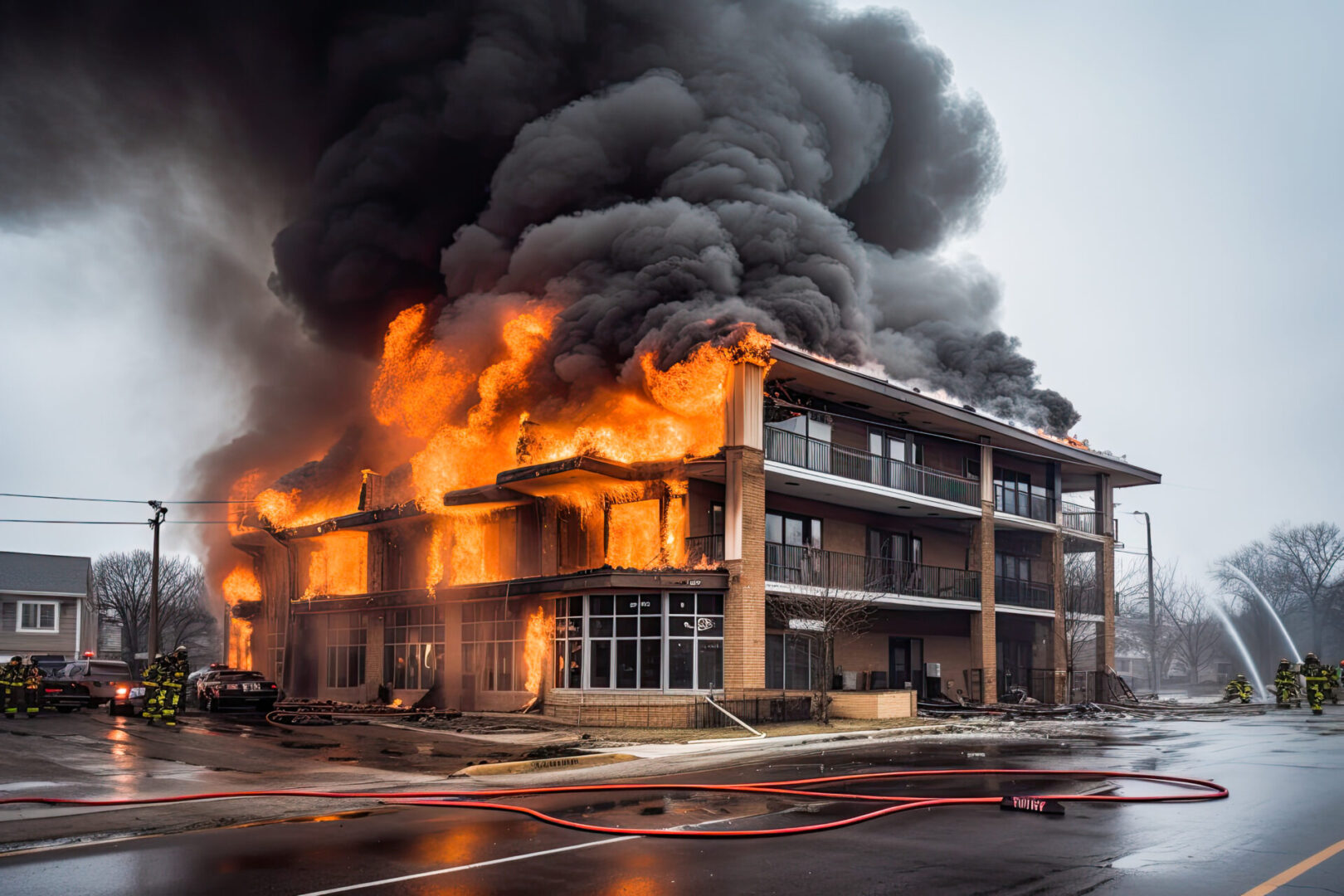
What Does a Fire & Smoke Public Adjuster Do?
A fire and smoke public adjuster represents the policyholder and manages the claim with one goal in mind: building a complete, supportable case for the full covered damage. After a fire or smoke event, that work often starts before the real scope of loss is understood. What looks like a simple cleanup issue may involve structural damage, hidden contamination, damaged contents, code upgrades, or ongoing living and operating expenses that need to be documented properly.
At Disaster Adjusting, fire and smoke public adjusting typically includes:
– Reviewing the insurance policy
We examine the policy language, endorsements, exclusions, limits, deductibles, depreciation rules, and timelines that can affect a fire damage insurance claim or smoke damage insurance claim. This helps clarify what may be covered and what documentation will matter most.
– Inspecting the property
We inspect the damaged home, building, or commercial space to understand the full impact of the loss. That includes visible fire damage, smoke migration, soot residue, ash contamination, water from suppression efforts, and conditions that may not have been addressed in the first inspection.
– Identifying covered damage
Fire claims often involve more than burned materials. Covered damage may include smoke odor, HVAC cleaning, insulation removal, cabinetry cleaning or replacement, electronics impact, soft goods contamination, and repairs tied to restoration requirements.
– Preparing a detailed scope of loss
A strong fire claim needs more than a rough number. We prepare a clear fire damage scope of loss that outlines what was damaged, what must be repaired or replaced, and what supporting documentation strengthens the claim.
– Reviewing estimates and reports
Insurance and contractor estimates do not always match the true condition of the property. We review available estimates, compare line items, identify gaps, and question low or incomplete pricing where needed.
– Documenting hidden damage
Hidden smoke damage can affect framing cavities, insulation, ductwork, attic spaces, appliances, inventory, and contents that seem intact at first glance. When these issues appear later, they may support a supplemental claim if documented correctly.
– Managing communications
Policyholders are often trying to protect the property, care for family, reopen a business, or keep tenants informed. We help manage the back-and-forth with the carrier so important deadlines, requests, and claim details do not get lost.
– Supporting supplemental claims
If new damage is found after demolition, cleaning, testing, or contractor review, the claim may need to be expanded. We help present supplemental information so the updated scope is tied back to the loss.
– Assisting with contents documentation
Fire losses often include furniture, clothing, electronics, tools, inventory, records, fixtures, and other personal or business property. We help organize the contents side of the claim so the list is more accurate and easier to support.
– Reviewing Additional Living Expenses
If a family cannot live in the home, temporary housing, meals, storage, and related costs may become part of the claim depending on the policy. We help review ALE documentation so those expenses are not overlooked.
– Working toward complete claim resolution
The goal is not just a fast payment. The goal is a complete, supportable resolution that accounts for the structure, contents, cleanup, replacement needs, and other covered parts of the fire damage claim.
In practical terms, a smoke damage public adjuster helps turn a confusing loss into a documented insurance claim. That matters when the claim involves hidden smoke damage, a large contents inventory, a disputed fire damage estimate, or a settlement offer that does not appear to match the real cost of recovery.
Types of Fire & Smoke Claims We Handle
Disaster Adjusting handles more than large burn losses. Fire and smoke claims can involve direct flames, smoke-only contamination, soot spread, ash intrusion, or damage discovered well after the event. Whether the loss affects a residence, a rental property, or a commercial building, the key issue is the same: the claim needs to reflect the full damage, not just the most visible part of it.
Residential fire and smoke claims
We help with residential losses that range from localized damage to major structural fires, including:
– House fire insurance claims
– Smoke damage insurance claims with little or no direct flame damage
– Wildfire smoke damage affecting interiors, contents, and HVAC systems
– Electrical fire claims
– Kitchen fire claims
– Appliance fire claims
– Garage fire claims
– Lightning fire claims
– Soot and smoke odor insurance claims
– Hidden smoke damage discovered during cleaning or repairs
Residential claims often involve more than the building materials. A homeowner may need help with contents inventory, temporary living arrangements, cleaning versus replacement issues, contractor estimate review, and questions about what the policy requires after the loss. We help bring those moving parts together so the fire damage claim is documented in a way the carrier can evaluate fully.
Commercial fire and smoke claims
We also assist with commercial fire insurance claims where the damage affects operations, tenants, customers, equipment, or inventory. These claims may involve:
– Office buildings
– Retail stores
– Restaurants
– Warehouses
– Manufacturing properties
– Apartment buildings
– Multi-family properties
– Mixed-use properties
– Business personal property and contents losses
– Smoke contamination without major structural burn damage
Commercial losses can be especially complex because the claim may involve building repairs, code issues, equipment damage, inventory loss, cleanup protocols, access limitations, and lost use of space at the same time. A business fire insurance claim may also require close attention to documentation, timelines, and supplements as the property is cleaned, tested, and opened up.
Wildfire, smoke-only, and partial-loss claims
Not every serious loss starts with flames inside the property. We help policyholders dealing with:
– Smoke-only losses
– Ash and soot contamination
– Smoke odor that lingers after the event
– Damage to insulation, ventilation systems, finishes, and contents caused by smoke spread
– Claims where the first estimate did not capture the full smoke damage
These losses are often underestimated because the damage is easy to miss or explain away as cosmetic. In reality, wildfire smoke damage and soot contamination can affect air movement, surfaces, soft goods, electronics, and areas of the property that are not obvious during a quick inspection. When that happens, policyholders may need smoke damage claim help to show why cleaning, sealing, removal, replacement, or supplemental work is necessary.
If your loss falls anywhere between a minor smoke event and a major commercial fire, the most important step is getting the claim evaluated with enough detail to support the full picture. Disaster Adjusting helps policyholders move from uncertainty to a documented path forward, whether the claim involves a home, a business, a multi-unit property, or wildfire-related smoke and ash damage.
How Far Can Smoke Damage Spread Through a Property?
Smoke damage can travel far beyond the room where the fire started, and that is one reason so many fire damage insurance claims are initially undervalued. Even when flames are contained to one area, smoke, soot, heat, and corrosive residue can move through the property and affect materials, systems, and contents that look untouched during a quick inspection. A complete smoke damage insurance claim should address not only what burned, but also what was contaminated.
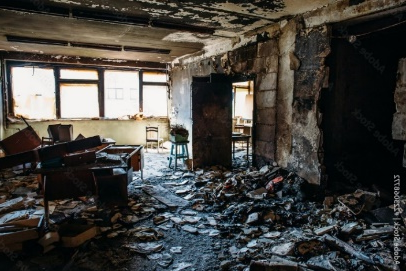
Soot is one of the most common issues after a fire. It can settle on walls, ceilings, trim, flooring, furniture, contents, and mechanical systems. Smoke residue can cling to porous and non-porous materials alike, leaving behind staining, odor, and contamination that may require specialized cleaning, sealing, or replacement. In some cases, the most serious problem is not the visible residue but the hidden migration of smoke into cavities, insulation, attic spaces, and ductwork.
Common smoke-related damage can include:
– Soot deposits on surfaces and contents
– Smoke residue inside cabinets, drawers, and closets
– Odor trapped in insulation, framing, carpet, and soft goods
– HVAC contamination that spreads residue through the system
– Attic contamination from heat and smoke movement
– Corrosion affecting electronics, wiring, appliances, and metal components
– Cabinet interiors and built-ins that require detailed cleaning or replacement
– Air quality concerns caused by ongoing contamination
– Hidden smoke migration behind walls and above ceilings
HVAC systems deserve close attention in many smoke damage claims. If smoke enters return air paths, ducts, registers, and air handling equipment, contamination can continue circulating long after the fire is out. Insulation can also hold odor and residue, even when nearby surfaces appear clean. Electronics are another area where damage is often underestimated. Fine soot particles and corrosive residue may affect performance, shorten equipment life, or create problems that appear later.
This is why a smoke damage public adjuster does more than look for charred materials. Disaster Adjusting helps evaluate the broader scope of smoke and soot damage so the claim reflects cleaning, deodorization, system work, contents issues, and replacement needs where appropriate. When the property owner only receives payment for the most obvious damage, the cost of hidden contamination often shows up later during restoration. Proper documentation at the claim stage helps reduce that risk and supports a more complete recovery.
What Should a Wildfire Smoke Damage Claim Include?
A wildfire insurance claim may involve serious property damage even when the structure never catches fire. Smoke can infiltrate the building envelope, ash can settle across exterior and interior surfaces, and contamination can affect roofing, attics, ventilation systems, and contents throughout the property. For many policyholders, the challenge is proving that wildfire smoke damage is real, widespread, and costly to address even without direct flame contact.
Wildfire smoke infiltration can enter through vents, gaps, soffits, windows, doors, and other openings. Once inside, smoke may affect walls, ceilings, insulation, fabrics, furniture, electronics, and stored items. Ash contamination can collect on roofing materials, exterior components, windowsills, attic areas, and HVAC systems. Depending on conditions, the property may also retain strong smoke odor that does not resolve with basic cleaning.
A wildfire smoke damage claim may need to address:
– Smoke infiltration into living or working spaces
– Ash contamination on roofs and exterior surfaces
– Attic contamination through vents and air pathways
– Ventilation system contamination and cleaning needs
– Interior contents exposed to smoke and odor
– Smoke odor embedded in porous materials
– Cleaning, sealing, or replacement of affected building materials
– Properties with no direct fire damage but clear smoke-related loss
– Evacuation-related impacts that complicate access, mitigation, and documentation
Roof contamination can be especially important after a wildfire event. Ash and residue may accumulate on roof surfaces, in gutters, around penetrations, and near intake points that allow contaminants to move deeper into the property. Attics and ventilation systems are also easy to overlook, even though they may become major sources of lingering smoke odor and contamination. If those areas are not evaluated carefully, the claim may miss a meaningful part of the loss.
Wildfire claims can also create practical problems before the insurance review is complete. A property owner may have limited access during evacuation, difficulty documenting conditions right away, or uncertainty about whether smoke-only damage qualifies for coverage. Disaster Adjusting helps policyholders organize that claim, document the full impact of smoke and ash exposure, and address losses that do not fit a simple direct-fire model. If your property has wildfire smoke damage, the fact that flames never touched the building does not automatically mean the loss is minor.
What Does the Fire Damage Insurance Claim Process Look Like?
The fire damage insurance claim process usually moves through a series of steps, but the quality of the result often depends on how well each step is documented. A fire loss can involve emergency work, structural damage, smoke contamination, contents loss, temporary housing issues, business interruption, and repairs that evolve over time. That is why the process should be treated as a developing claim, not a one-time inspection.
Visual timeline
Loss occurs
↓
Emergency mitigation
↓
Insurance notification
↓
Inspection
↓
Documentation
↓
Estimate
↓
Review
↓
Settlement
↓
Repairs
↓
Supplemental claims
Here is what each stage typically involves:
Loss occurs
The fire, smoke event, or wildfire-related damage happens. The first priority is safety, followed by protecting the property from further damage where possible.
Emergency mitigation
This can include board-up, tarping, water extraction, debris removal, temporary power measures, or initial smoke-control efforts. Emergency mitigation helps stabilize the property, but it is not the same as a complete claim evaluation.
Insurance notification
The claim is reported to the carrier. Early communication matters, but so does accuracy. Important details should be documented carefully from the start.
Inspection
The insurance company or its representatives inspect the property. In many cases, this first inspection is only the beginning and may not capture the full fire damage scope of loss.
Documentation
This is where the claim becomes stronger or weaker. Structural damage, soot, smoke residue, contents loss, odor, HVAC contamination, and Additional Living Expenses or business-related impacts should be organized and supported.
Estimate
Repair, cleaning, restoration, and replacement costs are assembled into an estimate. For many policyholders, this is where differences begin to appear between what the property needs and what the initial claim valuation reflects.
Review
The estimate, scope, and supporting materials are reviewed and discussed. This may include requests for clarification, additional evidence, competing estimates, or policy-based questions.
Settlement
The carrier issues payment based on the covered loss as evaluated at that stage of the claim. A settlement is important, but it is not always the end of the process.
Repairs
As work begins, contractors, restoration teams, or specialists may uncover hidden smoke damage, code issues, or additional repairs not visible earlier.
Supplemental claims
If new covered damage is found or costs change based on actual conditions, supplemental claims may be needed to pursue additional payment.
Disaster Adjusting helps policyholders through each part of this process by reviewing the policy, documenting the fire damage claim, evaluating estimates, supporting contents and ALE issues, and pursuing supplements when the original scope is incomplete. A well-managed claim is not just about getting paid quickly. It is about making sure the settlement matches the real work required to recover.
What Is Included in a Fire Insurance Claim?
A fire damage insurance claim can include far more than burned framing and visible cleanup. In many losses, the claim should account for direct fire damage, smoke and soot contamination, water used to extinguish the fire, damaged contents, temporary protection, and costs that continue after the property is stabilized. The exact scope depends on the policy and the facts of the loss, but a complete review should look at every category of damage tied to the event.
A fire insurance claim may include:
– Structural damage
This includes damaged roofing, framing, drywall, ceilings, flooring, windows, doors, built-ins, finishes, and other permanent parts of the structure.
– Smoke damage
Smoke residue, soot, staining, and smoke odor can affect rooms far from the fire origin. Cleaning, sealing, and replacement may all become part of the claim.
– Water damage
Water from hoses, sprinklers, suppression systems, or firefighting efforts can damage flooring, walls, insulation, contents, and electrical components.
– Fire suppression damage
Forced entry, broken windows, roof openings, torn walls, and debris created during emergency response may need to be documented as part of the loss.
– Contents
Furniture, clothing, household goods, inventory, tools, fixtures, and other personal or business property may be covered if they were damaged by fire, smoke, soot, or water.
– Electronics
Smoke residue and corrosive particles can affect televisions, computers, security systems, appliances, and specialized equipment.
– Cleaning
A proper claim may include structural cleaning, content cleaning, odor treatment, duct cleaning, and specialized restoration services.
– Debris removal
Disposal of burned materials, demolition debris, damaged insulation, and unsafe building components can be a significant part of the recovery cost.
– Code upgrades
If local building requirements trigger updates during repair, those added costs may need review under the policy.
– Temporary repairs
Board-up, tarping, site protection, temporary fencing, and emergency stabilization are often necessary to prevent additional damage.
– Additional Living Expenses
If the home is not livable, the claim may include temporary housing, meals, laundry, storage, and related extra costs, depending on the policy.
– Business interruption
Commercial claims may include loss of income, extra expense, relocation costs, or operational disruption tied to the fire.
Many policyholders focus first on the visible structural damage, but that is only one part of the picture. A complete fire public adjuster review looks at how the loss affected the building, the contents, the ability to use the property, and the full cost to move forward. Disaster Adjusting helps organize these categories so a fire damage claim reflects the real scope of recovery rather than a narrow initial estimate.
What Hidden Fire and Smoke Damage Might Be Missed?
Hidden damage is one of the biggest reasons fire and smoke claims become disputed, delayed, or underpaid. After the site is first inspected, the property may appear less damaged than it really is. Once cleanup starts, materials are removed, or contractors open affected areas, additional damage often becomes easier to see. If that hidden damage is not documented properly, the original estimate may fall short of what the property actually needs.
Areas where hidden fire or smoke damage may exist include:
– Behind drywall
Smoke can migrate into wall cavities, leaving residue, odor, and contamination in spaces that are not visible during a surface-level inspection.
– Attics
Heat, smoke, and soot often move upward, affecting insulation, sheathing, stored contents, and framing in attic spaces.
– Insulation
Insulation can absorb smoke odor and contamination even when nearby drywall looks clean. In some losses, affected insulation may need removal and replacement.
– HVAC systems
Ducts, air handlers, returns, vents, and mechanical components can hold soot and redistribute smoke particles throughout the property. Thermal and moisture detection tools can help confirm how far contamination has traveled.
– Electrical systems
Heat exposure, soot, moisture, and corrosion can affect outlets, wiring, fixtures, panels, and connected equipment.
– Framing
Structural members may have hidden charring, smoke residue, or water-related effects from suppression efforts that require closer review.
– Roof cavities
Smoke and heat can move through roof assemblies and concealed spaces, especially in larger or more complex structures.
– Crawl spaces
Water runoff, smoke migration, and debris can affect lower concealed areas that are not always inspected carefully at the start.
– Cabinets
Smoke residue and odor often settle inside cabinet boxes, drawers, built-ins, and enclosed storage areas, not just on the visible fronts.
– Subfloors
Water, soot, and odor may affect materials below finish flooring, especially after suppression efforts or prolonged exposure.
These issues matter because hidden damage can change the scope of work significantly. A claim that begins as cleaning and minor repair may later require demolition, insulation replacement, electrical review, HVAC cleaning, or structural repairs once conditions are uncovered. That is why a fire damage scope of loss should not rely only on what can be seen in the first walkthrough.
Disaster Adjusting helps policyholders identify and document hidden smoke damage, concealed structural issues, and repair needs that become clear as the claim develops. When necessary, we also support supplemental claims so newly discovered covered damage is added to the file instead of left for the owner to absorb later.
How Can Smoke Damage Affect Personal Property?
Smoke damage to personal property can be broad, persistent, and easy to underestimate. Even when an item is not burned, it may still be affected by soot, odor, staining, heat, moisture, or corrosive residue. In a fire or smoke damage insurance claim, personal property should be evaluated carefully because the cost to clean, restore, or replace contents can be substantial.
Smoke can affect many types of property, including:
– Furniture
Upholstered items, wood furniture, mattresses, rugs, and finished surfaces can absorb odor or hold residue that requires specialized cleaning or replacement.
– Artwork
Paintings, prints, framed pieces, sculptures, and decorative items may be vulnerable to staining, residue, and environmental exposure during and after the loss.
– Clothing
Smoke odor and soot can affect closets, drawers, storage bins, and laundry areas far from the fire origin.
– Electronics
Computers, televisions, gaming systems, audio equipment, cameras, and smart devices may suffer internal contamination or corrosion.
– Appliances
Kitchen and laundry appliances can be exposed to soot, heat, and moisture, which may affect performance and lifespan.
– Documents
Business records, legal papers, certificates, and archived files may be damaged by soot, odor, water, or handling during emergency response.
– Photographs
Printed photos, albums, framed images, and memory items are often highly sensitive to smoke and moisture exposure.
– Collectibles
Coins, cards, memorabilia, antiques, and specialty items may require careful documentation and value support in the claim.
– Business equipment
Office equipment, tools, machinery, inventory systems, and specialized devices can be affected even when no obvious exterior damage is visible.
One of the hardest parts of a house fire insurance claim or commercial fire insurance claim is contents documentation. Property owners are often expected to identify what was damaged, describe each item, estimate age and condition, and support the value with receipts, photos, or other records. That can be overwhelming after a fire, especially when the list is long or the contamination is spread throughout the property.
Smoke damage to contents also raises difficult questions about cleaning versus replacement. Some items can be restored. Others may continue to carry odor, show residue, or fail later because of internal contamination. A complete contents review should consider the item type, material, level of exposure, cleaning feasibility, and replacement cost where appropriate.
Disaster Adjusting helps policyholders organize smoke-damaged contents, support the inventory process, and present a more complete claim for personal property and business property losses. That work can make a major difference when the contents portion of the claim is large, emotionally difficult, or more complex than the initial estimate suggests.
What Are Additional Living Expenses in a Fire Insurance Claim?
Additional Living Expenses, often called ALE, are the extra costs a household may face when fire or smoke damage makes the home unlivable. In a house fire insurance claim, ALE can become a major part of the recovery because families are often displaced for weeks or months while the property is cleaned, repaired, or rebuilt. These costs need to be documented carefully so they are presented clearly as part of the claim.
ALE may include:
– Temporary housing
– Hotel stays
– Increased meal costs
– Laundry expenses
– Pet boarding
– Storage fees
– Transportation and mileage tied to displacement
– Other reasonable extra living costs caused by the loss
Temporary housing is often the largest category. Depending on the policy and the nature of the loss, a family may move into a hotel first and then transition to a short-term rental, apartment, or other longer-term housing while repairs continue. Meal costs can also rise when the home has no kitchen access or when a family is staying in a hotel. Laundry, parking, fuel, commuting changes, and storage costs can add up quickly, especially if the loss lasts longer than expected.
Common ALE items to track include:
– Hotel invoices and rental agreements
– Meal receipts and records showing increased food costs
– Laundry receipts
– Pet boarding bills
– Storage unit contracts and monthly charges
– Transportation receipts, mileage logs, and parking costs
– Utility differences related to temporary housing
– Any other necessary out-of-pocket costs caused by displacement
Documentation matters because ALE is usually based on the extra expense created by the loss, not simply every bill a family pays during that time. Clear records help show what changed, why it changed, and how it ties back to the fire damage claim. That is especially important when the displacement period becomes extended by smoke remediation, permit delays, hidden damage, or reconstruction issues.
Fire claims can become stressful when policyholders are trying to manage repairs and daily living at the same time. Disaster Adjusting helps review policy language, organize ALE documentation, and make sure this part of the claim is not pushed aside while attention stays focused only on structural repairs. If you have been displaced after a fire or serious smoke event, your claim should account for the real cost of living elsewhere while your property is being restored.
What Makes Commercial Fire Insurance Claims More Complex?
Commercial fire insurance claims are often more complex than residential losses because the damage can affect the building, the business operation, the contents, and the income stream all at once. A commercial fire insurance claim may involve not only repairs, but also inventory loss, equipment damage, smoke contamination, delayed reopening, payroll pressure, and extra costs to keep the business moving. For many owners, the claim is not just about the property. It is about preserving operations and reducing long-term disruption.
A business fire insurance claim may include:
– Building damage and repairs
– Smoke contamination throughout the premises
– Inventory loss or contamination
– Equipment and machinery damage
– Business interruption or revenue loss
– Payroll considerations
– Extra expense to continue operations
– Tenant improvements and betterments
– Manufacturing downtime
– Cleanup, debris removal, and restoration costs
Smoke contamination can be especially disruptive in commercial settings. A building may still be standing, yet office furniture, stock, machinery, electronics, or finished goods may be affected by soot, odor, or corrosive residue. In restaurants, retail spaces, warehouses, and manufacturing facilities, smoke damage can interfere with customer safety, product integrity, equipment performance, and the ability to reopen on schedule.
Business interruption is another major concern. If a company cannot fully operate after the loss, reduced revenue may become part of the claim depending on the policy. Some businesses also face extra expense, such as temporary relocation, rush equipment rental, emergency outsourcing, overtime labor, or short-term operational changes to keep serving customers. Tenant improvements can also matter in leased spaces where the business paid for build-outs, fixtures, or specialized interior improvements.
Manufacturing downtime creates added complexity because delays can affect production schedules, supply obligations, customer relationships, and labor planning. In those cases, the fire damage claim may need careful support to show how the physical loss led to operational and financial consequences.
Disaster Adjusting helps business owners document the property damage side of the claim while also supporting the broader issues that often come with a commercial fire loss. That includes reviewing estimates, organizing inventory and equipment losses, identifying smoke-related damage that may have been minimized, and helping pursue a more complete claim resolution. When a fire affects your business, the claim should reflect the full impact on the property and the operation, not just the visible burn area.
Why Do Fire Insurance Claims Get Underpaid?
Fire insurance claims often become underpaid because the first estimate does not capture the full scope of damage. In many losses, the issue is not that the fire happened. The issue is that important parts of the claim were missed, minimized, or priced too low. A fire damage insurance claim can involve structural repairs, smoke contamination, water damage, contents loss, code-related work, temporary living costs, and supplements that develop later. If those pieces are not documented thoroughly, the settlement may fall short of what the property owner actually needs.
Common reasons fire claims become underpaid include:
– Incomplete inspections
A brief inspection may focus on the most visible burn damage while overlooking areas that need a closer review.
– Missed smoke damage
Smoke, soot, and odor can spread well beyond the fire origin. If contamination in attics, HVAC systems, cabinets, insulation, or distant rooms is not addressed, the claim may be too limited.
– Hidden structural damage
Damage behind drywall, in framing, roof cavities, crawl spaces, and subfloors may not be obvious until cleanup or demolition begins.
– Contents undervaluation
Personal property and business contents are often difficult to inventory after a fire. Items may be omitted, grouped too broadly, or valued below realistic replacement needs.
– Insufficient cleaning allowances
The estimate may not include enough for specialized cleaning, odor treatment, ductwork attention, or smoke remediation across the full property.
– Missed code requirements
Repairs may trigger building code updates that increase the real cost of reconstruction. If those requirements are not identified, the initial estimate may be too low.
– Depreciation issues
Payment calculations can become confusing when depreciation, actual cash value, and replacement cost are involved. If those amounts are not reviewed carefully, policyholders may misunderstand what is still owed.
– Incomplete estimates
Some estimates simply leave out necessary line items, quantities, materials, or labor components required to restore the property properly.
Underpayment can happen in both residential and commercial claims. A homeowner may not realize how much smoke contamination spread through the house. A business owner may accept a building estimate without recognizing that equipment, inventory, or extra operational costs were not fully addressed. In both cases, the result can be the same: the settlement does not match the real cost of recovery.
Disaster Adjusting helps policyholders identify gaps in fire damage estimates, document hidden or overlooked loss, review policy-driven issues, and support supplemental claims where appropriate. Fire claim negotiation is often about completing the picture, not creating one from nothing. When the original claim is incomplete, a careful review can make the difference between absorbing the shortfall yourself and pursuing the amount the covered loss actually warrants.
How Does Our Fire Claim Process Work?
Our fire claim process is built to move your claim from uncertainty to a well-documented resolution. After a fire, smoke, soot, or wildfire-related loss, most property owners are trying to make urgent decisions while also dealing with disruption at home or at work. Disaster Adjusting steps in to bring structure to the process, protect the details that matter, and help pursue a settlement that reflects the full covered loss.
Our process typically includes:
– Consultation
We start with a conversation about what happened, where the claim stands, and what concerns you already have. Some clients contact us right after the loss. Others reach out after an inspection, a low estimate, or a delayed response from the carrier. It also helps to ask the right questions early in the process.
– Policy review
We review the insurance policy to identify the coverages, limits, timelines, and conditions that may affect the fire damage claim. This helps clarify what documentation will likely matter most.
– Inspection
We inspect the property to evaluate visible damage and look for issues that are often missed, including smoke migration, soot contamination, hidden structural damage, contents impact, and suppression-related damage.
– Documentation
We organize the facts of the loss into a more complete claim file. That may include photos, scope details, content loss information, estimates, repair documentation, and support for Additional Living Expenses or business-related losses.
– Claim preparation
A strong claim requires more than reporting the damage. We help prepare the claim in a way that is detailed, supportable, and aligned with the policy.
– Estimate review
We review available repair and restoration estimates, compare the scope to the actual loss, and identify missing items, incomplete pricing, or low allowances that may affect the outcome.
– Insurance meetings
We communicate with the carrier and take part in meetings, inspections, and claim discussions so the process stays focused on the documented loss.
– Negotiation
Once the scope and estimate are supported, we work through the back-and-forth required to move the claim toward a fairer resolution.
– Resolution
The goal is a more complete settlement that accounts for the structure, smoke damage, contents, cleanup, and other covered parts of the loss. If additional damage is discovered later, supplemental claim support may still be needed.
No two fire claims follow the exact same path, but the need for careful documentation stays the same. Disaster Adjusting helps residential and commercial policyholders stay organized, avoid costly gaps, and move through the claim process with an experienced advocate on their side.
Fire and Smoke Claim Questions People Ask Most
Do I need a public adjuster for a fire damage claim?
You may not need one in every case, but many policyholders seek help when the loss is large, the damage is more complex than it first appears, or the insurance estimate seems incomplete. A public adjuster works for you, not the insurance company.
What does a fire public adjuster do?
A fire public adjuster reviews the policy, inspects the property, documents damage, prepares claim support, reviews estimates, communicates with the carrier, and negotiates toward a more complete settlement.
Can smoke damage be covered even if there was no direct fire inside the property?
Yes, smoke-only losses may still be covered depending on the policy and the facts of the loss. That can include smoke residue, soot, odor, HVAC contamination, and affected contents.
Is soot damage different from smoke damage?
Soot is one form of smoke-related damage. It often leaves visible residue and can affect surfaces, electronics, contents, and air systems in ways that require specialized cleaning or replacement.
Can wildfire smoke damage be part of an insurance claim?
It can be. A wildfire insurance claim may include smoke infiltration, ash contamination, odor, roof contamination, attic issues, ventilation system damage, and interior content exposure.
What if my house did not burn but still smells like smoke?
A strong smoke odor can indicate real contamination even if there is no direct flame damage. The claim may need to address cleaning, deodorization, HVAC work, insulation issues, and content loss.
Does a fire insurance claim include water damage from firefighting efforts?
It often can. Water from hoses, sprinklers, and suppression efforts may damage floors, drywall, insulation, contents, and electrical components.
What should I do right after a fire loss?
Focus on safety first, then protect the property from further damage if possible, notify the insurance company, keep records, and start documenting the loss. It is wise to avoid making assumptions about the full scope too early.
How long does a fire insurance claim take?
The timeline varies based on the size of the loss, the condition of the property, the speed of inspections, the complexity of the policy, and whether supplemental damage is discovered later.
What is a fire damage scope of loss?
It is the detailed outline of what was damaged and what work is needed to clean, repair, or replace it. A complete scope is one of the most important parts of a fire damage claim.
Can hidden smoke damage show up later?
Yes. Hidden smoke damage may not become obvious until cleaning starts, materials are removed, or contractors inspect attics, wall cavities, HVAC systems, cabinets, or insulation.
What if the insurance estimate seems too low?
A low estimate may mean parts of the loss were missed, undervalued, or priced incorrectly. The claim may need a more detailed review, revised documentation, or a supplemental claim.
What is a supplemental fire claim?
A supplemental claim is a request for additional payment after new damage, added repair needs, or overlooked costs are discovered after the initial estimate or payment.
Can electronics be damaged by smoke even if they still turn on?
Yes. Smoke residue and corrosive particles can affect internal components and may lead to performance problems or shortened lifespan.
Will my insurance pay for smoke-damaged clothing and furniture?
It may, depending on the policy and the condition of the items. Some contents can be cleaned, while others may require replacement if odor, staining, or contamination cannot be resolved properly.
How do I document personal property after a fire?
Start with photos, videos, receipts, model numbers, serial numbers, purchase records, and room-by-room lists. The more organized the inventory, the easier it is to support the contents claim.
What are Additional Living Expenses after a fire?
Additional Living Expenses are the extra costs you face because the home is not livable, such as temporary housing, hotel stays, meals, laundry, pet boarding, storage, and added transportation costs.
Can business interruption be part of a commercial fire insurance claim?
It can be, depending on the policy. Business interruption may include lost income and other financial impacts tied to the covered loss.
What if my business has smoke contamination but limited burn damage?
Smoke contamination alone can still create a serious commercial claim if it affects inventory, equipment, customer areas, manufacturing processes, or the ability to operate safely.
Are code upgrades included in a fire claim?
They can be, depending on the policy and the repairs required. If rebuilding triggers updated code requirements, those costs should be reviewed carefully.
Should I accept the first settlement offer?
Not until you understand what is included, what may still be missing, and whether the payment reflects the full covered damage. Early offers do not always account for hidden issues or supplemental needs.
Can a fire claim include debris removal and temporary repairs?
Yes. Board-up, tarping, emergency stabilization, and debris removal are common parts of fire loss recovery and may need to be included in the claim.
What if the insurance company already inspected the property?
That does not always mean the claim is complete. Many losses require additional documentation, estimate review, or support for damage that becomes clearer later.
Do you help both homeowners and commercial property owners?
Yes. Disaster Adjusting assists with residential and commercial fire and smoke claims, including contents issues, smoke-only losses, wildfire smoke damage, and complex property damage disputes.
When is the best time to contact a fire public adjuster?
The earlier the better, but policyholders also reach out after delays, low estimates, missed damage, or settlement concerns. Help can still be valuable after the claim has already started.
Get Fire and Smoke Claim Help From Disaster Adjusting
Fire and smoke claims are rarely simple. What begins as a visible fire loss can quickly involve smoke migration, soot contamination, contents damage, water from suppression efforts, temporary living costs, business interruption, hidden structural issues, and repair needs that continue to develop as the property is opened up. That is why so many policyholders find themselves with questions, pressure, and uncertainty long before the claim is truly complete.
Disaster Adjusting is built to help you through that process. We work for policyholders, not the insurance company, and we bring decades of experience in property insurance claims, policy interpretation, documentation, contents support, negotiation, and settlement strategy. Our team helps turn scattered damage details into a stronger, more organized claim that reflects the real scope of loss.
Whether you are dealing with a house fire insurance claim, a smoke damage insurance claim, a wildfire smoke loss, or a commercial fire insurance claim, our role is the same: inspect carefully, document thoroughly, review the policy, identify gaps, and pursue a more complete resolution. We assist homeowners, landlords, commercial property owners, and businesses that need experienced claim support from the first inspection through negotiations and supplemental issues.
If your property has been affected by fire, smoke, soot, ash, or related damage, now is the time to get clarity on what your claim should include. Call Disaster Adjusting at (888) 675-0911 to discuss your loss and your next steps. If you would rather reach out online, visit our contact us page to request a consultation with Disaster Adjusting. When your home or business has suffered fire or smoke damage, the right claim support can make a meaningful difference in how fully you recover.