
Moisture Mapping
Home / Moisture Mapping
Moisture Mapping & Roof Moisture Detection for Commercial Properties and Insurance Documentation
If you need to identify hidden roof moisture, document roof leaks, or support an insurance claim with better inspection data, Disaster Adjusting can help. Our moisture mapping and roof moisture detection services are designed for commercial property owners, facility managers, property managers, contractors, consultants, and insurance professionals who need a clearer picture of what is happening inside a roofing system without relying on guesswork alone.
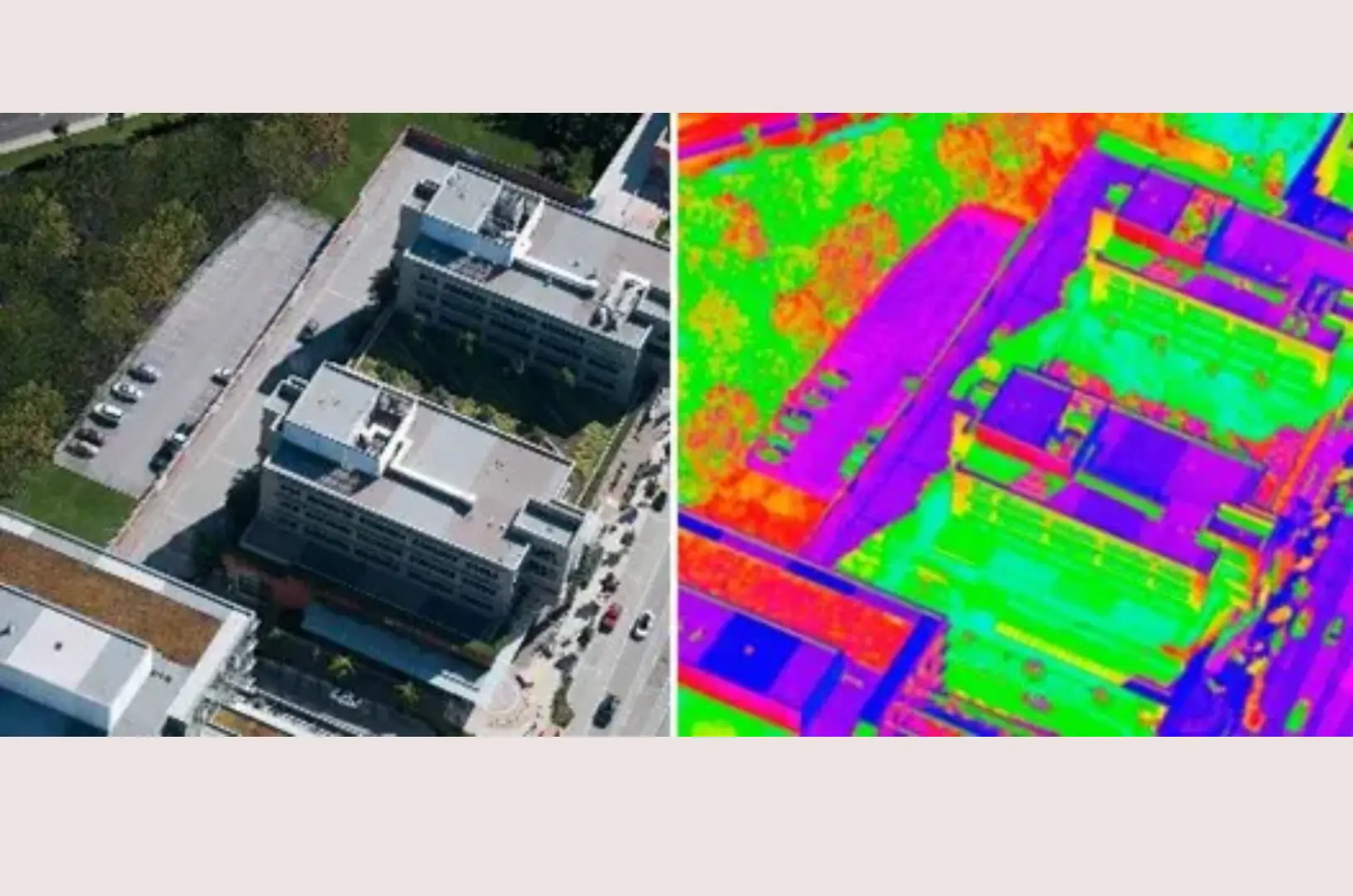
Roof leaks and trapped moisture are often larger than the visible staining inside the building. A ceiling drip, wet insulation, or recurring leak may only be the symptom. The actual problem can extend across insulation layers, membrane seams, flashing transitions, rooftop penetrations, and low-slope roof sections that look intact from the surface. That is where roof moisture mapping becomes valuable. By combining inspection methods such as drone roof surveys, infrared thermal imaging, moisture scanning, and targeted verification when appropriate, Disaster Adjusting helps identify affected areas and create documentation that can support repair planning, condition assessment, and insurance claim review.
This service is especially useful for:
– Commercial property owners with flat or low-slope roof leak concerns
– Facility managers trying to locate hidden roof moisture
– Property managers dealing with recurring water intrusion
– Contractors and consultants who need better roof condition documentation
– Insurance professionals evaluating roof leak investigations and water-related loss
– Building owners who need a moisture map before repairs, claim submission, or capital planning
Common problems we help solve include:
– Hidden roof moisture that is not visible during a basic walkthrough
– Leak sources that are difficult to isolate
– Unclear boundaries between wet and dry roof areas
– Incomplete roof leak documentation for insurance claims
– Questions about whether repair or broader replacement should be considered
– The need for a more targeted roof leak investigation before opening the roof
Why choose Disaster Adjusting? We bring commercial roofing investigation support together with insurance claim experience, documentation discipline, and a practical understanding of how hidden moisture affects both the property and the claim. Our team helps turn roof conditions into usable findings, not just photos. That can make a major difference when you need answers, planning clarity, or stronger support for a commercial roof water damage claim.
If you need roof moisture mapping or thermal roof inspection services, call Disaster Adjusting at (888) 675-0911. Contact us today to request a consultation and find out how a roof moisture survey can help you document hidden damage and move forward with confidence.


What Is Roof Moisture Mapping?
Roof moisture mapping is the process of identifying and documenting hidden moisture within a roofing system so the affected areas can be located more accurately. Instead of relying only on visible leaks or interior staining, moisture mapping helps show where water may be trapped in the roof assembly, how far it has spread, and which areas may need closer investigation, repair, or replacement.
In simple terms, moisture mapping is used to answer a key question: where is the roof actually wet, even if the damage is not obvious from the surface?
This matters because commercial roofing systems, especially flat and low-slope roofs, can hold hidden moisture for long periods of time. Water may move under membranes, into insulation, around penetrations, or across seams and transitions without creating an immediate, easy-to-trace leak inside the building. By the time interior symptoms appear, the moisture may already be affecting a wider area than expected.
Moisture mapping is commonly used on commercial roofing systems because:
– Flat roofs often allow water to travel laterally before it becomes visible inside
– Hidden moisture can remain trapped beneath surface materials
– Roof leak sources are not always directly above the interior water stain
– Repair planning is more accurate when wet areas are identified clearly
– Insurance documentation is stronger when the roof condition is mapped rather than guessed
A roof moisture map can support several important decisions. It can help determine whether a roof issue appears localized or widespread. It can help target core areas for closer review when needed. It can also help owners, contractors, consultants, and claim professionals evaluate the likely scope of roof moisture damage before major repair work begins.
For insurance-related situations, moisture mapping can be especially useful because it adds structure to the documentation. Instead of saying the roof may be wet in several places, the findings can show where anomalies were detected, how the affected areas relate to the roof layout, and what parts of the system may require more attention. That can support a more informed conversation about damage, scope of loss, and next steps.
Moisture mapping is important because hidden roof moisture rarely improves on its own. If left unidentified, it can continue affecting insulation, decking, rooftop components, and interior conditions. A clear moisture map helps move the discussion from uncertainty to evidence-based planning.
How Does Moisture Mapping Work?
Moisture mapping works by combining roof inspection methods that help identify hidden moisture, confirm roof anomalies, and organize the findings into a usable report. The exact approach depends on the roof type, the suspected problem, site conditions, and the purpose of the inspection, but the goal stays the same: find where moisture may be present and document it clearly.
The process may include:
– Drone surveys
Drone inspections allow the roof to be surveyed efficiently and safely, especially on large commercial buildings or roofs with difficult access. Aerial imaging helps identify visible irregularities, drainage patterns, ponding areas, surface damage, and roof layout conditions that support the investigation.
– Infrared thermal imaging
Thermal roof inspection uses infrared imaging to detect temperature differences that may indicate trapped moisture beneath the roofing surface. Wet materials often respond differently to heating and cooling cycles than dry materials, which can make moisture-related anomalies easier to identify under the right conditions.
– Moisture scanners
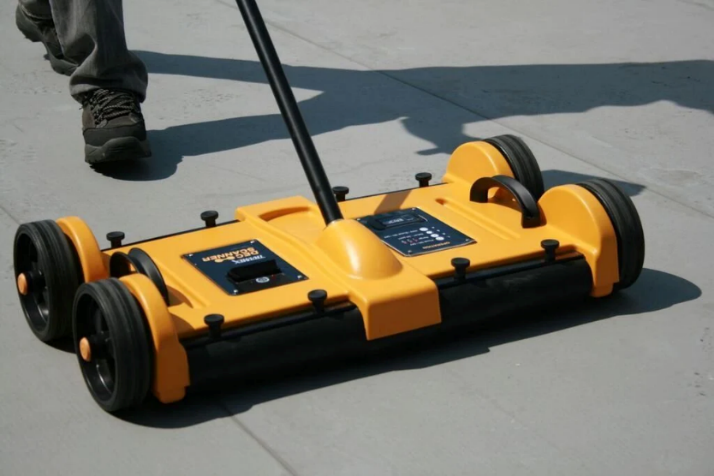
Flat roof scanning equipment can be used as a non-destructive method for surveying moisture conditions in roofing and waterproofing systems. This helps refine where wet areas may exist without opening the roof at every suspected location.
– Core sampling when appropriate
In some cases, targeted verification may be needed to confirm what the scan suggests. Core sampling or cut verification can help determine the composition and condition of the roof assembly in specific locations.
– Roof inspections
Physical roof inspection remains important. Surface conditions, seams, flashing, penetrations, edge details, rooftop equipment, and visible damage all help explain how and why moisture may be present.
– Data collection
Images, scan readings, roof layout observations, moisture locations, and field notes are collected and organized to create a clearer picture of the roof condition.
– Mapping affected areas
The inspection findings are translated into a roof layout or moisture map that shows the likely wet and dry sections, anomaly areas, and locations that may need repair planning or additional review.
– Generating detailed reports
A useful roof moisture report does more than show pictures. It should help the owner or claim professional understand what was inspected, what was detected, where it was found, and how the findings may affect the next steps.
This process is valuable because it helps narrow the gap between a suspected roof leak and a documented roof condition. Instead of making decisions based only on interior symptoms or surface assumptions, the property team can work from a more defined moisture investigation. That improves planning, communication, and claim support when hidden roof moisture is part of a larger commercial property issue.
What Types of Roofs Can Be Moisture Mapped?
Moisture mapping is most commonly used on commercial and institutional roofing systems where hidden moisture can travel beneath the surface and remain undetected for long periods. It is especially valuable on roofs where the leak path is not obvious from inside the building and where a non-destructive investigation can help narrow down the affected areas before more invasive work begins.
Roof types and properties that can often benefit from moisture mapping include:
– Flat roofs
Flat roofs are one of the most common candidates for roof moisture mapping because water can travel laterally across the roof system and remain trapped in insulation or below the membrane.
– Low-slope roofs
Low-slope roofing systems can develop hidden moisture issues that are difficult to trace from interior staining alone, especially on larger buildings with multiple drainage and penetration points.
– Built-up roofing
BUR systems can hold moisture in layered assemblies, making it difficult to know how widespread the problem is without targeted investigation.
– Modified bitumen
Modified bitumen roofs may develop seam, flashing, or penetration-related moisture issues that are not obvious from surface viewing alone.
– TPO
TPO roofing systems are common on commercial buildings, and moisture mapping can help identify areas where water may have entered beneath the membrane or into insulation layers.
– EPDM
EPDM roofs can also benefit from thermal roof inspection and moisture surveys when leaks are suspected but the extent of hidden moisture is unclear.
– PVC
PVC roofing systems on commercial buildings may require moisture detection when water intrusion is suspected around seams, penetrations, drains, or equipment curbs.
– Metal roofing
Metal roof systems can sometimes be investigated for hidden moisture issues, especially where water enters around fasteners, seams, transitions, or rooftop details and affects underlying components.
Moisture mapping is particularly useful for:
– Commercial roofing systems
– Industrial facilities
– Institutional buildings
– Warehouses
– Office buildings
– Retail properties
– Schools
– Healthcare facilities
– Apartment complexes and multi-building properties
Large roofs benefit the most because hidden moisture can spread across broad areas without producing a clear interior leak directly below the entry point. Industrial and institutional buildings often have complex roof layouts, multiple rooftop penetrations, mechanical equipment, and operational concerns that make a more strategic roof moisture survey especially helpful.
In practical terms, if a roof system can trap moisture below the visible surface, it may be a candidate for moisture mapping. Disaster Adjusting helps determine the condition of these roof systems by combining inspection methods that support better leak investigation, documentation, and planning before repair decisions or insurance claim discussions move forward.
Why Is Hidden Roof Moisture Often Missed?
Hidden roof moisture is often missed because it usually spreads beneath the roofing system before there is a clear sign inside the building. By the time a ceiling stain, drip, or wet insulation appears indoors, the moisture may already be affecting a much larger part of the roof assembly. That delay is one of the main reasons roof leaks are so difficult to evaluate based on interior symptoms alone.
Several factors make hidden roof moisture easy to miss:
– Insulation saturation
Roof insulation can absorb and hold water long before the moisture becomes visible below. Once saturated, it may continue spreading the problem across a wider area.
– Membrane damage
Small punctures, seam issues, flashing failures, and penetration defects may allow water into the roof system without creating a dramatic opening on the surface.
– Slow leaks
A roof may leak gradually rather than all at once. Slow leaks are especially difficult to detect because the visible signs can remain minor while the concealed damage grows.
– Ponding water
Water that remains on the roof for extended periods can increase the chance of infiltration at weak points, even when the roof surface looks generally intact.
– Moisture migration
Water often travels laterally within roofing assemblies. That means the interior leak location may be far from the actual entry point on the roof.
– Interior staining delays
Ceiling stains and visible interior symptoms may not show up right away. Moisture can move through insulation, decking, and concealed spaces before it finally appears inside.
– Structural deterioration
If roof moisture remains undetected, it may begin affecting decking, fasteners, framing, or other structural components over time.
– Energy efficiency impacts
Wet insulation can reduce the roof system’s thermal performance, increasing energy loss before anyone realizes there is a moisture problem.
– Mold risks
Prolonged moisture in roof assemblies and adjacent materials can contribute to conditions that support microbial growth, especially where dampness reaches interior cavities or finishes.
The reason moisture often spreads beneath the roofing system before becoming visible inside the building is simple: roofing assemblies are layered systems. Water can enter through one point, move within the insulation or under the membrane, and follow the path of least resistance until it finds an exit point much later. That makes visual interior evidence a poor indicator of the full roof condition.
This is why roof moisture detection is so important. Disaster Adjusting helps identify hidden roof moisture before the property team makes repair decisions based only on what is visible inside. A more complete survey can reveal whether the issue is isolated or widespread and provide better support for repair planning or insurance documentation.
What Are the Benefits of Drone Thermal Roof Inspections?
Drone thermal roof inspections allow large roofing systems to be surveyed more safely, efficiently, and with better visual documentation than many traditional approaches alone. By combining aerial access with thermal imaging and high-resolution imagery, drone inspections can help identify roof anomalies, investigate suspected moisture issues, and create a clearer record of roof conditions without the same level of disruption that some manual inspection methods require.
Key benefits of drone thermal roof inspections include:
– Safer inspections
Drone technology allows surveyors to inspect roofs with reduced need for repeated foot traffic across large or complex roof surfaces. That can improve safety, especially on expansive commercial roofs or areas with difficult access.
– Large roof coverage
Large commercial and industrial roofs can be reviewed more efficiently from the air, making it easier to understand the full roof layout, drainage conditions, penetrations, and anomaly locations across the property.
– Thermal imaging capabilities
When paired with thermal imaging, drone inspections can help identify temperature differences that may point to hidden moisture, trapped water, or roof system irregularities. This supports a more targeted moisture investigation.
– High-resolution documentation
Drone imagery can provide detailed visual records of roof conditions, including drains, seams, flashing areas, equipment curbs, ponding zones, and visible damage. These records are useful for planning, reporting, and insurance support.
– Efficient data collection
Drone surveys can collect broad roof information quickly, which is especially helpful when the property team needs a timely roof moisture scan or leak investigation.
– Reduced disruption to business operations
Because much of the roof review can be done with aerial support, the process may reduce unnecessary disturbance to building occupants, daily operations, and rooftop activity.
Drone roof inspections are particularly useful on:
– Commercial roofs with broad square footage
– Industrial facilities with operational sensitivity
– Institutional properties with multiple roof sections
– Buildings with difficult or limited roof access
– Properties where documentation quality matters for claims or repair planning
A drone thermal inspection does not replace professional analysis. It improves the ability to gather useful information early and helps direct where closer physical inspection, moisture scanning, or targeted verification may be needed. Disaster Adjusting uses drone roof thermal surveys as part of a practical roof moisture detection strategy that helps clients move from general suspicion of a leak to more defined, reportable findings.
For property owners and claim professionals, the value is not just the technology itself. The value is how that technology supports a clearer roof moisture map, stronger documentation, and a more informed decision about what to do next.
How Does Moisture Mapping Help With Insurance Claims?
Moisture mapping can be a valuable tool in an insurance claim because it helps document hidden roof damage that may not be obvious during a basic visual inspection. When a roof leak or storm-related water issue affects a commercial building, the visible interior symptoms often tell only part of the story. A moisture map helps show where the roofing system may actually be wet, how far the issue may extend, and which areas may require closer evaluation, repair, or replacement.
For insurance-related situations, moisture mapping can help by:
– Documenting hidden damage
Hidden roof moisture is easy to miss when the roof surface appears generally intact or when the interior leak is far from the actual entry point. A moisture survey helps bring those concealed conditions into clearer focus.
– Supporting the scope of loss
A better understanding of where moisture is present can support a more accurate scope of loss rather than a narrow repair assumption based only on one visible leak area.
– Identifying repair areas
Moisture mapping helps narrow down which roof sections may need attention, which can improve repair planning and reduce guesswork when contractors or claim professionals review the roof.
– Supporting roofing estimates
Roofing estimates are stronger when they are tied to documented roof conditions. A moisture report can help explain why certain sections require more than surface patching.
– Providing objective documentation
One of the biggest advantages is that the findings are organized into a visual and reportable format. That gives owners, consultants, and insurance representatives a more objective starting point for discussing damage.
– Helping explain hidden conditions
Roof leaks are often misunderstood because the visible water stain inside the building may seem small. Moisture mapping helps explain why the actual roof damage may be broader than the interior symptom suggests.
– Supporting supplemental claims
If additional hidden moisture is found after an initial inspection or partial repair estimate, the documentation may help support supplemental discussions about the true extent of the loss.
This type of documentation can be especially important after hail, wind, or water intrusion events where the first inspection may be surface-level. A property owner may know the roof is leaking, yet still struggle to show how the moisture affects insulation, roof sections, and concealed areas that cannot be explained by interior photos alone.
Disaster Adjusting helps use moisture mapping as part of a broader insurance documentation strategy. The goal is not to overcomplicate the claim. The goal is to document hidden roof conditions in a clearer, more supportable way so repair decisions and claim discussions are based on evidence rather than assumptions.
How Does Moisture Mapping Compare to a Traditional Roof Inspection?
Moisture mapping and traditional roof inspections are both useful, but they do not provide the same type of information. A traditional roof inspection is often the starting point. It helps identify visible damage, surface wear, drainage concerns, and obvious leak-related issues. Moisture mapping goes further by helping identify hidden moisture conditions that may not be visible from the surface alone.
The two approaches are best understood as complementary rather than interchangeable.
Comparison table
Method | What it shows best | Hidden moisture detection | Destructive testing | Coverage area | Documentation quality |
|---|---|---|---|---|---|
Visual inspection | Visible roof conditions, seams, flashing, punctures, surface wear | Limited | No | Moderate | Moderate |
Thermal imaging | Temperature anomalies that may suggest trapped moisture | Strong under the right conditions | No | High | High |
Moisture scanning | Moisture conditions within roofing and waterproofing systems | Strong | No | High | High |
Core sampling | Exact roof assembly condition at selected points | Confirmatory, not broad-area screening | Yes | Low | High for tested spots |
Here is how the comparison works in practice:
– Visual inspection
A visual inspection is useful for finding obvious roof issues, but it may miss moisture trapped beneath membranes or insulation layers. It is also more limited when the roof leak source is not visible on the surface.
– Thermal imaging
Thermal roof inspection helps identify temperature differences that may point to hidden moisture. It can cover large areas efficiently and provide strong visual documentation when conditions are suitable for the scan.
– Moisture scanning
Moisture scanners are non-destructive tools used to survey moisture conditions in roofing systems. They help refine which areas are likely wet and should be reviewed more closely.
– Core sampling
Core sampling can provide direct confirmation of the roof assembly condition at specific points, but it is destructive and limited to the exact locations tested. It is usually more useful as a targeted verification method than as the primary screening tool.
In terms of accuracy, no single method should be treated in isolation. Visual review, thermal imaging, moisture scanning, and targeted verification often work best together. In terms of destructive testing, core sampling is the most invasive, while thermal imaging and moisture scanning are typically non-destructive. For coverage area, drone-assisted thermal inspection and scanning methods are far better suited to large commercial roofs than isolated spot checks alone. For documentation quality, moisture mapping methods generally produce stronger reportable records than visual observation by itself.
Disaster Adjusting helps clients combine these methods in a practical way so the inspection produces useful information for roof planning, leak investigation, and insurance documentation rather than just a general opinion.
When Should a Roof Be Moisture Mapped?
A roof should be moisture mapped when there is reason to believe hidden moisture may be present and a more accurate understanding of the roof condition would help with planning, documentation, or claim support. In many cases, the right time is before the problem becomes obvious inside the building. In others, it is after a storm event or leak has already raised concerns.
Common times to consider roof moisture mapping include:
Hail may damage roofing materials, seams, flashing, or penetrations and allow moisture into the roof system, even when the surface damage does not fully explain the leak risk.
Wind can displace membranes, loosen components, and create entry points that lead to hidden roof moisture before interior symptoms develop.
– After heavy rain
A roof that takes on water during a major rain event may need a moisture survey to determine whether the issue stayed localized or spread further across the assembly.
– Following roof leaks
If a building has recurring leaks or a new unexplained leak, moisture mapping can help determine whether the visible water issue reflects a broader roof condition.
– Before major repairs
A moisture map can help contractors and owners target affected areas more accurately before committing to a repair plan.
– Before roof replacement
If replacement is being considered, moisture detection may help clarify the roof condition and support planning around the extent of affected sections.
– Insurance investigations
When a claim involves roof leaks, hidden moisture, or disputed repair scope, moisture mapping can provide better documentation of concealed conditions.
– Building condition assessments
Moisture surveys are useful when owners or managers want a more complete picture of roof performance as part of broader building maintenance or capital planning.
– Property transactions
Buyers, sellers, and advisors may use roof moisture detection to better understand the roof’s condition before a commercial property changes hands.
– Preventive maintenance
In some cases, moisture mapping is used proactively to identify developing roof issues before they become costly interior problems.
The reason timing matters is that hidden roof moisture tends to spread and remain out of view. Waiting until the interior leak becomes severe may mean the damage is already broader, more expensive, and harder to isolate. Early investigation can support better decisions about whether the roof likely needs localized repair, broader restoration work, or a larger claim review.
Disaster Adjusting helps clients determine when a moisture map is likely to add value and how the findings can support repair planning, insurance investigations, and broader commercial roof condition assessments.
What Are Common Signs of Hidden Roof Moisture?
Hidden roof moisture often shows warning signs before the full problem is understood, but those signs are easy to dismiss if the roof has not been investigated properly. A small interior stain or one recurring drip may seem minor, yet it can point to a much wider moisture issue inside the roof assembly. The challenge is that the visible symptom inside the building is not always located directly below the actual entry point on the roof.
Common signs of hidden roof moisture include:
– Interior stains
Ceiling or wall staining is one of the most recognizable warning signs, but it usually appears only after water has already traveled through part of the roof or building system.
– Soft insulation
Wet insulation may lose firmness, thermal value, and structural consistency. This often develops out of view beneath the roof surface before anyone realizes there is a problem.
– Recurring leaks
A leak that returns after rain, even after prior repair attempts, often suggests the roof issue is broader or located somewhere other than the originally treated area.
– Blistering
Blisters or irregularities in roofing materials may indicate trapped moisture, pressure changes, or roof system distress that deserves closer inspection.
– Ponding water
Areas where water remains on a flat or low-slope roof can increase the likelihood of infiltration through weak points, seams, drains, or penetrations.
– Roof membrane movement
Unusual movement, displacement, or irregularity in the membrane can point to conditions below the surface that should not be ignored.
– Higher energy costs
Wet insulation can reduce thermal performance. If energy use rises without another clear explanation, roof moisture may be one contributing factor.
– Interior humidity
In some buildings, unexplained indoor humidity or persistent dampness may indicate that moisture is entering or lingering in concealed areas.
– Ceiling damage
Sagging ceiling materials, softened drywall, peeling finishes, or recurring patch repairs can all point back to a roof moisture issue that has not been fully identified.
These signs matter because moisture often spreads beneath the roofing system before becoming visible inside the building. By the time a stain or drip appears, water may have already moved laterally through insulation, under the membrane, or across structural elements. That is why relying on interior evidence alone can lead to incomplete repairs and repeated leak problems.
Disaster Adjusting helps clients investigate these warning signs with moisture mapping, thermal roof inspection, and supporting documentation so hidden roof moisture can be evaluated before assumptions turn into larger repair costs or weaker insurance documentation.
How Does Our Moisture Mapping Process Work?
Our moisture mapping process is designed to help property owners, facility managers, contractors, and claim professionals move from suspicion of a roof problem to a more defined, documentable understanding of roof moisture conditions. Hidden moisture can be difficult to evaluate through visual inspection alone, especially on large commercial roofs. Disaster Adjusting uses a structured process to gather useful information and translate it into practical next steps.
Our process typically includes:
– Consultation
We start with a conversation about the property, the roof concerns, leak history, visible symptoms, and whether the goal is repair planning, condition assessment, insurance documentation, or a broader roof leak investigation.
– Roof assessment
We review the roof type, building use, access conditions, prior repairs if known, drainage patterns, rooftop penetrations, and the general areas of concern before field work begins.
– Drone survey
Drone surveys help us evaluate roof layout, visible surface conditions, and anomaly areas across large or difficult-to-access roof sections. This also supports efficient visual documentation.
– Thermal imaging
Infrared thermal imaging is used to look for temperature differences that may indicate hidden moisture beneath the roofing surface under suitable conditions.
– Moisture detection
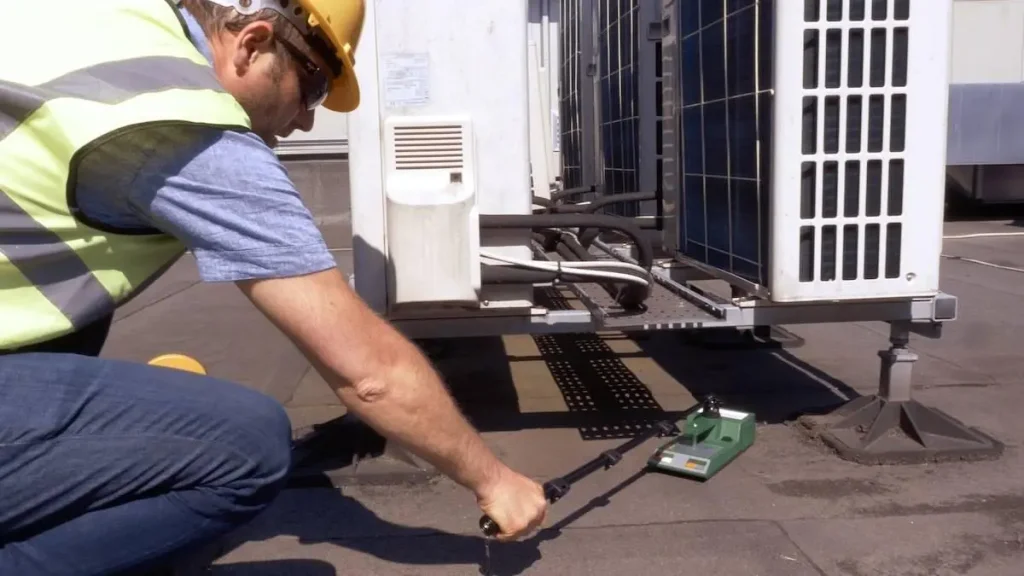
Moisture scanning and related inspection tools are used to refine where wet areas may exist within the roofing or waterproofing system.
– Data analysis
The collected images, field notes, roof observations, and detected anomaly areas are reviewed together so the findings are interpreted in context rather than as isolated images.
– Roof mapping
We translate the findings into a roof layout or moisture map that identifies suspected affected areas and helps define where further review, repair planning, or targeted verification may be needed.
– Final reporting
A useful report should explain what was inspected, what methods were used, what conditions were observed, and where roof moisture concerns were identified.
– Insurance documentation support
When moisture mapping is part of a claim-related issue, the findings can help support better documentation of hidden roof conditions, suspected repair areas, and supplemental claim discussions where broader roof moisture is involved.
This process is meant to do more than produce images. It is meant to help the client understand the roof condition in a practical way. Disaster Adjusting combines roof investigation support with insurance documentation awareness so the findings can be used not only for technical planning, but also for clearer communication during repair, claim, or property management decisions.
Moisture Mapping and Roof Moisture Detection FAQs
What is moisture mapping?
Moisture mapping is the process of identifying and documenting hidden moisture within a roofing system so affected areas can be located more accurately.
How does roof moisture mapping work?
It works by combining roof inspection methods such as drone surveys, thermal imaging, moisture scanning, and targeted verification when appropriate to identify likely wet areas.
Can infrared cameras detect roof leaks?
Infrared cameras do not see water directly, but they can detect temperature differences that may indicate trapped moisture under the right conditions.
What types of roofs can be scanned?
Many commercial roof types can be evaluated, including flat roofs, low-slope roofs, BUR, modified bitumen, TPO, EPDM, PVC, and some metal roof systems.
What is a thermal roof inspection?
A thermal roof inspection uses infrared imaging to detect temperature anomalies that may suggest hidden moisture or roof system irregularities.
How accurate is moisture mapping?
Accuracy depends on the roof type, environmental conditions, inspection method, and how findings are verified, but moisture mapping is often far more informative than visual inspection alone for hidden roof moisture.
Can moisture mapping identify hidden leaks?
It can help identify hidden moisture patterns and likely affected areas, which often supports leak investigation and repair planning.
Is roof moisture mapping destructive?
Most moisture mapping methods are non-destructive. In some cases, targeted core sampling or verification may be used to confirm specific findings.
How long does a roof survey take?
The timing depends on the roof size, layout, access, weather conditions, and the methods used during the inspection.
When should a roof be moisture mapped?
It is often useful after storms, after recurring leaks, before major repairs, before replacement, during insurance investigations, or as part of a condition assessment.
Can moisture mapping support an insurance claim?
Yes. It can help document hidden roof moisture, support the scope of loss, and provide more objective information for claim discussions.
What is the difference between thermal imaging and moisture scanning?
Thermal imaging looks for temperature differences that may suggest moisture, while moisture scanning focuses more directly on moisture conditions within the roof system.
Can a roof leak exist without obvious interior damage?
Yes. Water can move within the roof assembly before it becomes visible inside the building.
Why are recurring roof leaks hard to solve?
The interior leak may not be directly below the actual roof entry point, and hidden moisture can spread across the roof system before showing up indoors.
Can drone inspections replace all roof inspections?
No. Drone inspections are very useful for coverage and documentation, but they work best as part of a broader inspection strategy rather than a complete replacement for analysis and field review.
What is a roof moisture report?
A roof moisture report organizes the inspection findings into a usable record that explains where anomalies or suspected wet areas were identified.
Can moisture mapping help before a roof replacement?
Yes. It can help clarify the condition of the roof system and support planning around affected areas.
Does moisture mapping help with preventive maintenance?
Yes. It can help identify developing moisture issues before they become larger interior problems.
Can wet insulation affect building performance?
Yes. Wet insulation can reduce thermal efficiency and may contribute to higher energy use and broader roof system deterioration.
What is core sampling in a roof inspection?
Core sampling is a targeted method of opening the roof at selected points to confirm the condition and composition of the roof assembly.
Can moisture mapping be used on industrial facilities?
Yes. It is often especially useful on large industrial roofs where leak sources and moisture spread are difficult to define visually.
Can moisture mapping help during property transactions?
Yes. Buyers, sellers, and advisors may use it to better understand roof condition during due diligence.
What if a roof looks fine but still leaks?
The roof surface may not reveal hidden moisture, seam issues, flashing problems, or entry points beneath the visible layer.
Can thermal imaging show the exact cause of a leak?
Not by itself. It helps identify anomaly areas, but the cause of the leak still requires analysis of roof conditions and details.
Is moisture mapping useful after hail or wind damage?
Yes. Storm events can allow water into the roofing system even when the visible surface damage does not tell the full story.
Can moisture mapping support supplemental claims?
Yes. If hidden roof moisture is broader than first documented, the findings may help support a more complete claim review.
Get Roof Moisture Mapping Support From Disaster Adjusting
Hidden roof moisture can turn a manageable issue into a much larger problem when it is not identified early. What starts as a minor leak or isolated stain can spread through insulation, move beneath the membrane, affect structural components, reduce energy performance, and complicate insurance documentation. That is why property owners, facility managers, contractors, and claim professionals need more than assumptions when a commercial roof is under question.
Disaster Adjusting brings together commercial roof investigation support, moisture detection methods, and insurance documentation experience to help you understand what is actually happening inside the roof system. From drone roof surveys and thermal roof inspection support to moisture mapping and reporting, our goal is to help you move from uncertainty to useful findings that can support repair planning, roof leak investigation, and claim discussions.
Whether you need a commercial roof moisture survey after a storm, a flat roof leak investigation, a thermal imaging roof inspection, or stronger documentation for a roof-related insurance issue, Disaster Adjusting is ready to help. We understand how hidden roof moisture affects both the property and the claim, and we know how important clear documentation can be when repair scope and damage conditions are being reviewed.
If you need moisture mapping services or roof moisture detection support, call Disaster Adjusting at (888) 675-0911 to discuss your property and next steps. If you prefer to reach out online, contact us to request a consultation with Disaster Adjusting. When hidden roof moisture is creating uncertainty, the next step is getting the kind of inspection and documentation that helps you act with confidence.